Blog
Transparent Waterproof Coating: The Invisible Shield for Your Surfaces

When it comes to protecting surfaces from water damage, most people think of thick, colored sealants that hide the original beauty of the material. But what if you could safeguard your floors, walls, or outdoor structures without compromising their aesthetic appeal? Enter transparent waterproof coating—a game-changing solution that combines unbeatable protection with invisible coverage. In this blog, we’ll explore everything you need to know about this innovative product, from its key benefits to its ideal applications and how to choose the right one for your project.
What Is Transparent Waterproof Coating?
Transparent waterproof coating is a water-based or solvent-based formula designed to form a thin, clear film on the surface it’s applied to. Unlike traditional waterproofing products that add color or texture, this coating dries completely clear, preserving the natural look of wood, concrete, stone, tile, and other materials. The film acts as a barrier against moisture, preventing water penetration while still allowing the surface to “breathe”—a crucial feature that avoids trapped humidity and subsequent damage like mold or cracking.
Available in various formulations (such as acrylic, polyurethane, silicone, and nanotechnology-based options), transparent waterproof coatings cater to different surface types and environmental conditions. Each variant offers unique properties, from UV resistance to flexibility, making it easy to find a product tailored to your specific needs.
Key Benefits of Transparent Waterproof Coating
The popularity of transparent waterproof coating stems from its versatile advantages, which make it a top choice for both residential and commercial projects. Here are the most notable benefits:
1. Aesthetic Preservation
One of the biggest draws is its ability to protect without altering the surface’s appearance. Whether you’re sealing a hardwood floor, a natural stone patio, or a decorative concrete wall, the coating lets the material’s grain, texture, and color shine through. This is especially valuable for high-end surfaces where maintaining visual appeal is as important as durability.
2. Superior Water Resistance
Despite its thin consistency, transparent waterproof coating creates a robust barrier against water, rain, and moisture. It prevents water from seeping into porous materials like concrete or wood, which can cause warping, rotting, staining, or structural weakening over time. For outdoor surfaces exposed to the elements, this protection is essential for extending their lifespan.
3. Breathability
Unlike non-breathable sealants that trap moisture beneath the surface, most transparent waterproof coatings are permeable. This allows vapor to escape, reducing the risk of mold, mildew, and blistering. This feature is particularly important for wooden surfaces and exterior walls, where trapped humidity can lead to irreversible damage.
4. UV Protection
Many high-quality transparent formulations include UV inhibitors, which shield surfaces from the sun’s harmful rays. This prevents fading, discoloration, and degradation of materials like wood, plastic, and stone—keeping your surfaces looking new for longer, even in direct sunlight.
5. Easy Application and Maintenance
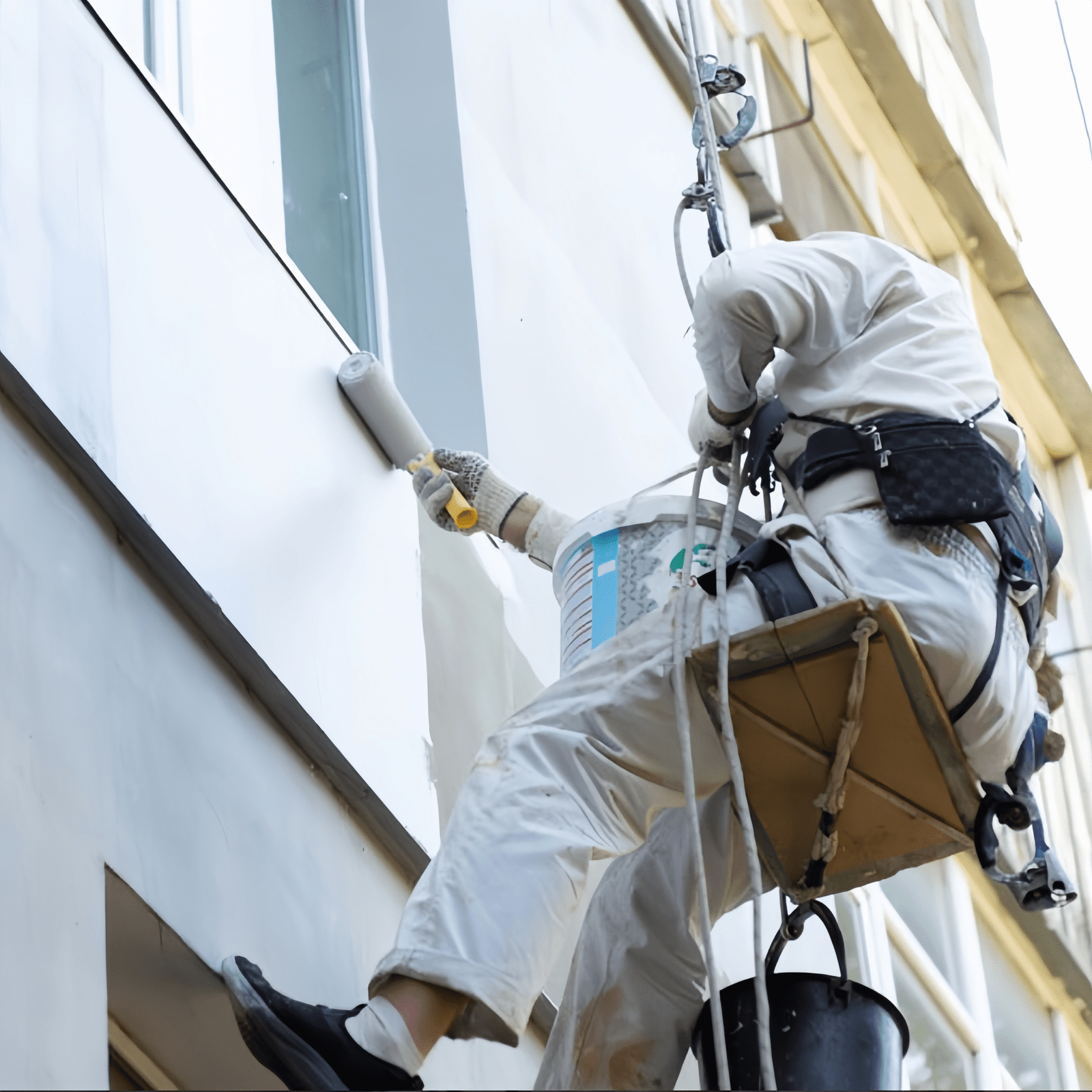
Transparent waterproof coatings are typically easy to apply with a brush, roller, or sprayer, requiring minimal preparation compared to heavy-duty sealants. They dry quickly (some in as little as 2-4 hours) and can be recoated for enhanced protection. Maintenance is also simple: most surfaces can be cleaned with mild soap and water, and touch-ups are straightforward when needed.
Ideal Applications for Transparent Waterproof Coating
This versatile product works on a wide range of surfaces, both interior and exterior. Here are the most common uses:
Residential Uses
- Wooden Surfaces: Decks, patios, fences, furniture, and hardwood floors. The coating protects against water damage and UV fading while highlighting the wood’s natural grain.
- Stone and Tile: Marble, granite, travertine, slate, and ceramic tiles in bathrooms, kitchens, or outdoor patios. It prevents water staining and simplifies cleaning.
- Concrete: Driveways, walkways, and basement floors. It seals porous concrete to prevent moisture penetration and cracking.
- Exterior Walls: Brick, stucco, or siding. It adds a waterproof layer without changing the wall’s appearance.
Commercial Uses
- Retail Spaces: Showrooms with natural stone floors or wooden fixtures that need protection without compromising display quality.
- Hotels and Restaurants: Outdoor terraces, pool areas, and dining spaces with decorative surfaces.
- Historical Buildings: Preserving original stone, brick, or wood surfaces while adding modern waterproofing.
How to Choose the Right Transparent Waterproof Coating
With so many options available, selecting the right coating depends on several factors. Here’s a guide to help you decide:
1. Surface Type
Different surfaces require different formulations. For example: Wood: Acrylic or polyurethane-based coatings offer flexibility and UV protection.Stone/Concrete: Silicone or nanotechnology coatings penetrate deeply and resist staining.Tile: Water-based acrylic coatings are ideal for grout lines and tile surfaces.
2. Indoor vs. Outdoor Use
Outdoor surfaces need coatings with UV resistance and weather durability. Look for products labeled “exterior-grade” to ensure they can withstand rain, sun, and temperature fluctuations. Indoor coatings may prioritize low VOC (volatile organic compounds) levels for better air quality.
3. Sheen Level
Transparent coatings come in different sheen options: matte, satin, and gloss. Matte finishes are ideal for hiding minor surface imperfections, while gloss finishes add a subtle shine. Choose based on your aesthetic preferences and the surface’s intended use.
4. VOC Content
For interior projects or spaces with poor ventilation, opt for low-VOC or zero-VOC water-based coatings. These are eco-friendly and safer for humans and pets, with minimal odor during application.
Application Tips for Best Results
To ensure your transparent waterproof coating performs optimally, follow these application tips:
- Prepare the Surface: Clean the surface thoroughly to remove dirt, dust, oil, and old sealants. Repair cracks or damage before application. For porous surfaces like wood or concrete, let the surface dry completely (24-48 hours) to avoid trapping moisture.
- Test a Small Area: Apply a small amount of coating to an inconspicuous spot to check for compatibility and desired finish.
- Apply Evenly: Use a high-quality brush, roller, or sprayer to apply thin, even coats. Avoid over-applying, as this can cause bubbling or clouding.
- Allow Proper Drying Time: Follow the manufacturer’s instructions for drying time between coats. Most coatings require 2-4 hours of drying before recoating and 24-48 hours before full use.
- Maintain Regularly: Reapply the coating every 1-3 years (depending on use and exposure) to maintain optimal protection.
Final Thoughts
Transparent waterproof coating is the perfect blend of functionality and aesthetics, offering uncompromising protection without hiding the natural beauty of your surfaces. Whether you’re renovating your home, upgrading a commercial space, or preserving a historical structure, this innovative product provides a long-lasting, invisible shield against water damage, UV rays, and wear.
By choosing the right formulation for your surface and following proper application techniques, you can enjoy durable, beautiful surfaces for years to come. Say goodbye to unsightly sealants and hello to the invisible protection of transparent waterproof coating—your surfaces will thank you.