Blog
How to Use Concrete Bonding Agent: A Step-by-Step Guide for Perfect Adhesion

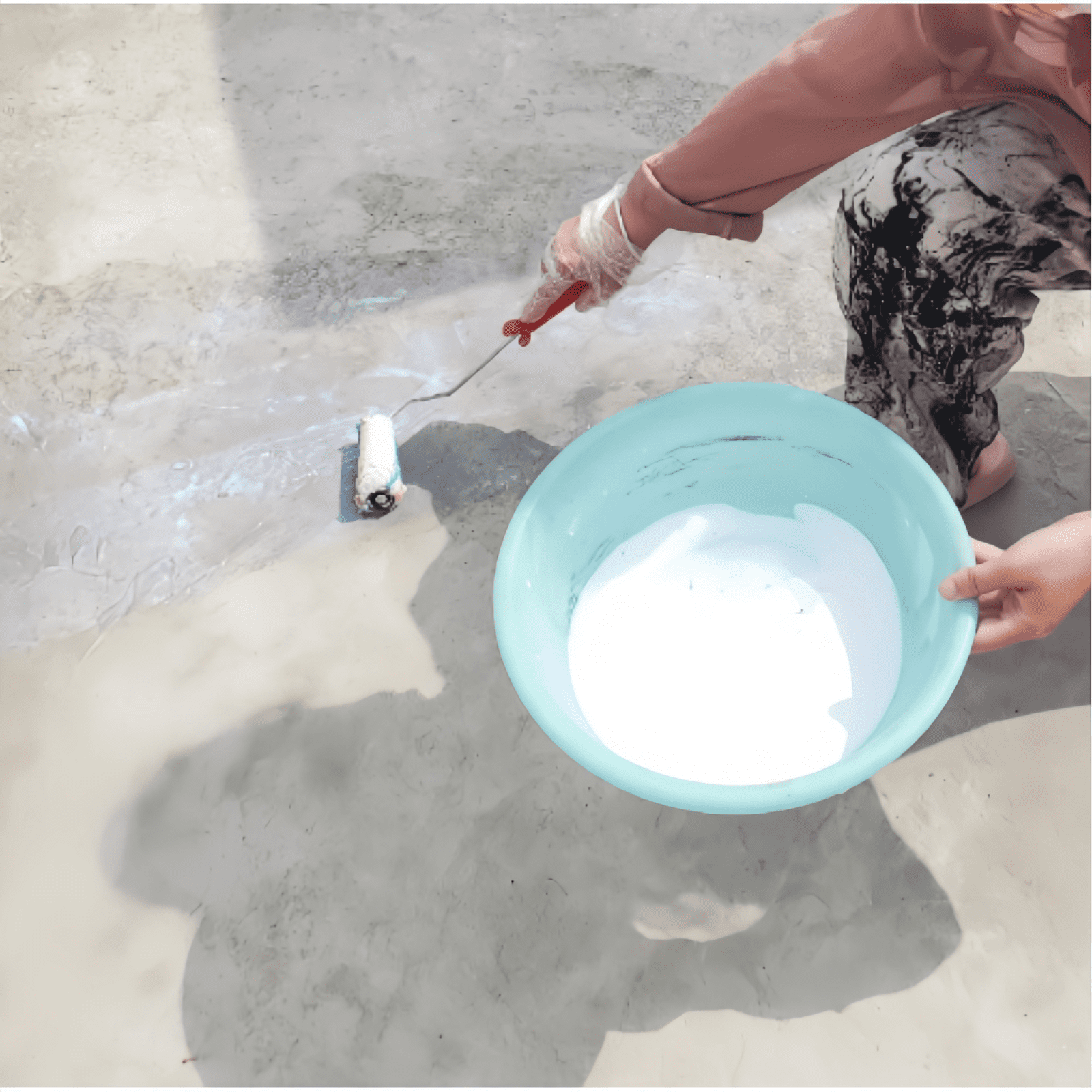
We’ve already explored what concrete bonding agents are, their key types, and why they’re indispensable for durable concrete projects. But even the highest-quality bonding agent will fail if applied incorrectly. Achieving that seamless, high-strength bond between old and new concrete (or concrete and other substrates) requires precision, proper preparation, and a clear understanding of the application process. Whether you’re a DIY enthusiast tackling a patio repair or a professional contractor working on a structural project, this step-by-step guide will walk you through how to use concrete bonding agent like a pro—ensuring your project stands the test of time.
Before You Start: Gather Your Supplies & Prep the Surface
Success with concrete bonding agent starts long before you crack open the container. Proper preparation—both of your tools and the surface—is the foundation of a strong bond. Skipping this step is the most common mistake that leads to delamination, cracking, or adhesion failure. Let’s break this down into two critical parts: gathering your supplies and prepping the surface.
1. Essential Supplies You’ll Need
Having the right tools on hand will make the application process smooth and efficient. The exact supplies may vary slightly based on the type of bonding agent (acrylic, epoxy, polyurethane, or cementitious) you’re using, but here’s a universal checklist:
- Concrete bonding agent (match the type to your project—see our previous guide for help choosing)
- Stiff-bristle brush or wire brush (for cleaning the surface)
- Pressure washer (optional but recommended for heavy dirt/debris; a garden hose with a spray nozzle works for lighter cleaning)
- Scraper or chisel (for removing loose concrete, paint, or debris)
- Clean rags or paper towels (for wiping down the surface)
- Paint roller, brush, or sprayer (for applying the bonding agent—use a roller for large areas, a brush for edges/corners)
- Mixing container and stir stick (if using a two-part bonding agent like epoxy, or if diluting is required)
- Protective gear: gloves, safety glasses, and a dust mask (for cleaning and mixing)
- New concrete, mortar, or patching material (the material you’ll be bonding to the existing surface)
2. Surface Preparation: The Most Critical Step
Concrete bonding agent relies on penetrating the pores of the existing surface to create a strong bond. If the surface is dirty, greasy, or damaged, the agent can’t penetrate properly—and the bond will fail. Follow these steps to prep your surface perfectly:
- Clean the Surface Thoroughly: Remove all dust, dirt, oil, grease, paint, mold, or mildew from the surface. For light dirt, use a stiff-bristle brush to scrub the area, then wipe it down with a damp rag. For heavier dirt or grease, use a mild detergent or concrete cleaner (avoid harsh chemicals that could leave a residue). For tough stains or large areas, a pressure washer (set to 1,500–2,000 PSI) is ideal—hold the nozzle 6–12 inches from the surface to avoid damaging the concrete.
- Remove Loose or Damaged Concrete: Use a scraper or chisel to chip away any loose, flaking, or spalled concrete. The surface must be structurally sound—if there are large cracks or crumbling areas, repair those first before applying the bonding agent.
- Etch (If Needed): For extremely smooth or dense concrete (like polished concrete), etching may be required to create a rough surface for better adhesion. Use a concrete etcher (typically a mild acid solution) following the manufacturer’s instructions. After etching, rinse the surface thoroughly with water and let it dry—this ensures no acid residue remains to interfere with the bonding agent.
- Dry (or Dampen) the Surface: Most bonding agents require the surface to be dry but slightly damp (called "tacky dry") before application. Check the manufacturer’s instructions—some agents need a completely dry surface, while others work best on a damp surface (to prevent the bonding agent from drying too quickly). If dampening is needed, use a spray bottle to mist the surface—do not leave standing water.
Step-by-Step Guide to Applying Concrete Bonding Agent
Once your supplies are gathered and the surface is prepped, it’s time to apply the bonding agent. Follow these steps carefully, and always refer to the manufacturer’s instructions—different products may have specific requirements (like mixing ratios or drying times).
Step 1: Prepare the Bonding Agent
If you’re using a one-part bonding agent (like most acrylic-based agents), simply stir it gently with a stir stick to ensure it’s well-mixed—do not dilute unless the manufacturer says to. For two-part bonding agents (like epoxy), mix the resin and hardener in the exact ratio specified (usually by volume or weight). Stir slowly and thoroughly for 2–3 minutes to avoid creating air bubbles, which can weaken the bond. Mix only as much as you can use within the product’s pot life (the time it takes to start curing)—epoxy, for example, often has a pot life of 30–60 minutes.
Step 2: Apply the Bonding Agent
Use a paint roller, brush, or sprayer to apply a thin, uniform coat of bonding agent to the prepped surface. Avoid applying too much—thick coats can take longer to cure and may create a weak bond. For edges, corners, or hard-to-reach areas, use a small brush to ensure full coverage. The goal is to cover the entire surface with a thin "wet" layer that soaks into the pores of the concrete.
Note: Some bonding agents are designed to be applied to both the existing surface and the new concrete/mortar. Check the instructions—if required, apply a thin coat to the new material as well before placing it.
Step 3: Let the Bonding Agent "Tack Up"
After applying the bonding agent, let it sit until it becomes tacky to the touch. This is called the "open time" or "tack time," and it varies by product (usually 10–30 minutes, depending on temperature and humidity). Do not let the agent dry completely—if it’s no longer tacky, it won’t bond properly. If you miss the tack time, you’ll need to apply a second thin coat and wait for it to become tacky again.
Step 4: Apply the New Concrete/Mortar
Once the bonding agent is tacky, immediately place or pour the new concrete, mortar, or patching material onto the surface. Work quickly but carefully—do not delay, as the bonding agent will continue to cure. Use a trowel to spread the material evenly, ensuring it makes full contact with the bonded surface. For thicker applications (over 1 inch), use a screed to level the material.
Pro tip: For best results, vibrate the new concrete slightly (with a concrete vibrator or by tapping the formwork) to remove air bubbles and ensure maximum adhesion with the bonding agent.
Step 5: Finish & Cure
Finish the new concrete/mortar as you would with any concrete project—smooth it with a trowel, add texture if desired, or edge it with an edging tool. Then, allow the entire project to cure properly. Curing time varies by the type of concrete/mortar and temperature, but most projects require 24–48 hours before light foot traffic, and 7–14 days for full strength. Keep the surface moist during the first few days of curing (use a curing compound or plastic sheeting) to prevent cracking.