Blog
The Ultimate Guide to Concrete Bonding Agents: Why, When, and How to Use Them

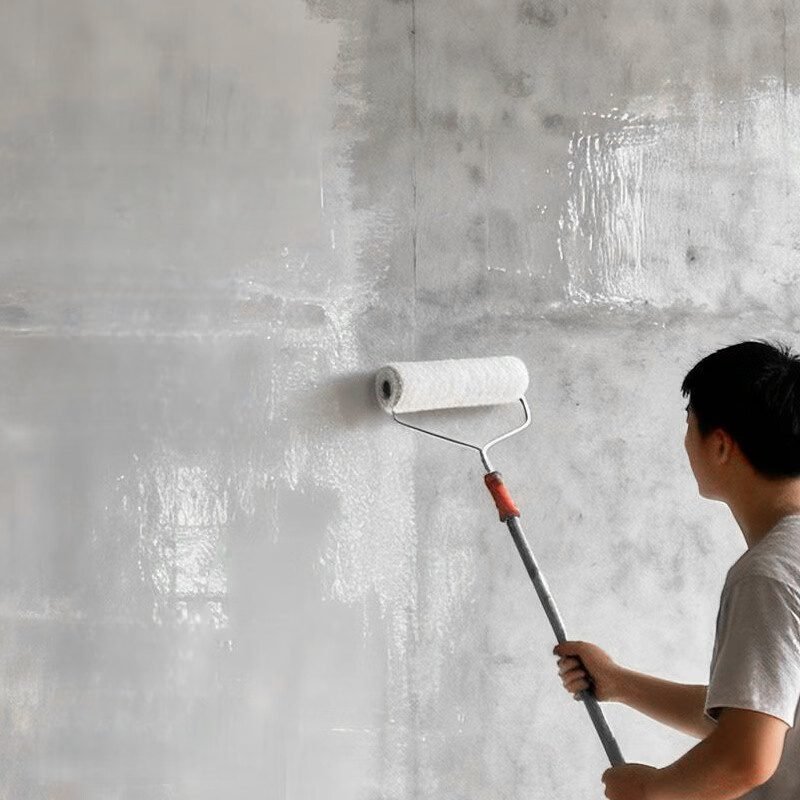
In the world of construction and repair, one of the most persistent challenges is the failure of new material to adhere to an old surface. Whether you are repairing a cracked driveway, applying new stucco, or overlaying a concrete floor, you face the same critical question: How do you get fresh concrete to bond perfectly to a hardened, non-reactive base?
This is exactly where Concrete Bonding Agents (also known as sand fixatives or primers) become indispensable.
What is Concrete Bonding Agent?
Often referred to as concrete glue adhesive, these high-performance chemical additives act as the "bridge" connecting two separate structural layers. Without a proper bonding agent for concrete, the new layer often fails to create a mechanical bond due to rapid moisture loss or surface incompatibility. This leads to delamination, cracking, and costly repairs down the road.
In this ultimate guide, we will dive deep into why professional contractors rely on adhesive for concrete, and most importantly, how to use concrete bonding agents to ensure industrial-grade strength and longevity for your projects. Whether you are a B2B distributor or a project manager, mastering these techniques is the key to superior construction quality.
Do I Really Need a Bonding Agent for Concrete to Concrete?
The short answer is: Yes.
When you pour fresh concrete over an existing slab, you are essentially trying to join two different generations of material. Old concrete is "inert" and chemically stable, meaning it no longer has the active hydration process required to naturally fuse with a new layer. Without a high-quality bonding agent concrete, the new pour will simply sit on top, leading to delamination, a structural failure where the layers separate.
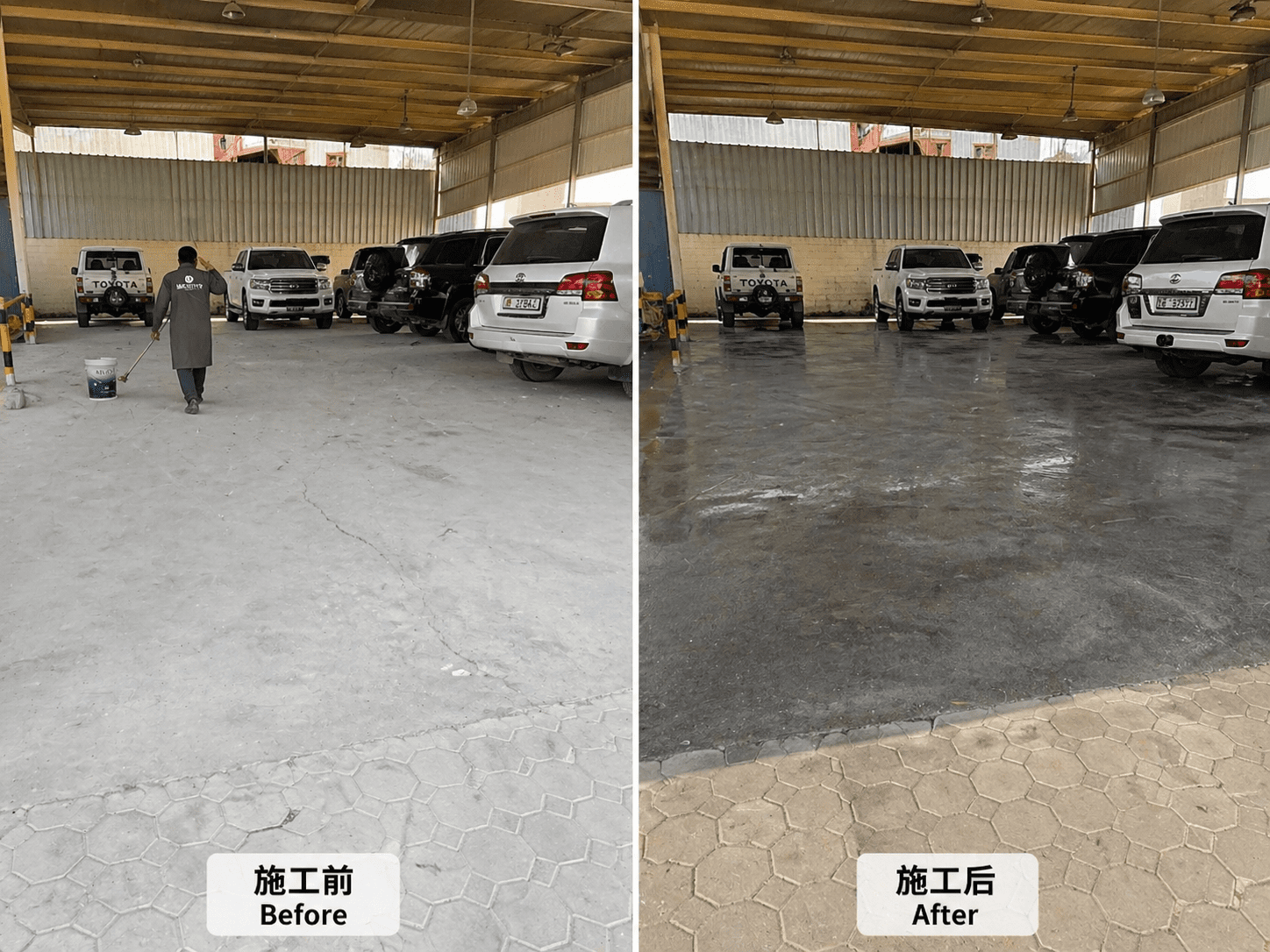
Why Professionals Choose Bonding Agents Over Water?
Many DIYers believe that simply wetting the old concrete with water is enough. While "Surface Saturated Dry" (SSD) is a good prep step, water alone cannot provide the chemical "glue" needed for a permanent fix.
Water: Only provides temporary suction and does not improve the chemical bond.
Bonding Agent: Creates a permanent chemical bridge and high tensile strength that resists heavy traffic and temperature changes.
Common Mistakes: Why Bonding Fails
Even if you know you do i need concrete bonding agent, the application is where most projects fail. To avoid costly rework, watch out for these common errors:
- Inadequate Surface Prep: This is the #1 killer of adhesion. If the base is covered in dust, oil, or loose debris, the agent will bond to the dirt, not the concrete.
- Waiting Too Long (The "Window" Problem): Most bonding agents need to be "tacky" (slightly sticky) when the new concrete is applied. If the agent dries completely and becomes a hard film, it can actually act as a bond breaker instead of a joiner.
- Over-thinning the Product: Diluting the adhesive too much to save money weakens the chemical properties, leading to a weak interface.
Why Pros Use Concrete Bonding Adhesive
In the professional construction industry, a concrete bonding adhesive is not just an option, it is insurance for your craftsmanship. Whether you are dealing with a high-traffic industrial floor or a vertical bonding agent for concrete to stucco application, the benefits go far beyond simple stickiness.
Here is why industry experts never skip this step:
1. Superior Adhesion and Anti-Spalling
The primary reason to use a bonding agent for concrete is to prevent delamination and spalling. According to industry standards, these agents dramatically increase the tensile bond strength between layers. It ensures that the new topping becomes a structural part of the existing base, preventing the edges from curling or peeling off over time.
2. Sand Fixation and Dust-Proofing (Sand Fixative)
For projects involving old, "chalky," or weathered surfaces, a concrete bonding agent acts as a powerful sand fixative. It penetrates the porous surface of weak concrete, knitting the loose particles back together. This creates a solid, dust-free foundation that is essential before applying any high-performance concrete glue adhesive or decorative finish.
3. Waterproofing and Capillary Sealing
One of the most overlooked benefits of an adhesive for concrete is its ability to seal. By filling the microscopic pores and capillaries of the substrate, the bonding agent creates a moisture barrier.
- Prevents "Efflorescence": It stops salt and minerals from rising to the surface.
- Blocks Moisture: It protects the interface from the freeze-thaw cycles that usually cause outdoor concrete to crack.
4. Improved Workability and "Open Time"
High-quality concrete bonding adhesive formulations, especially the acrylic and latex-based types, improve the "open time" for contractors. This allows for a more flexible application window, ensuring that the bonding agent concrete remains tacky and receptive while the new mixture is being prepared and leveled.
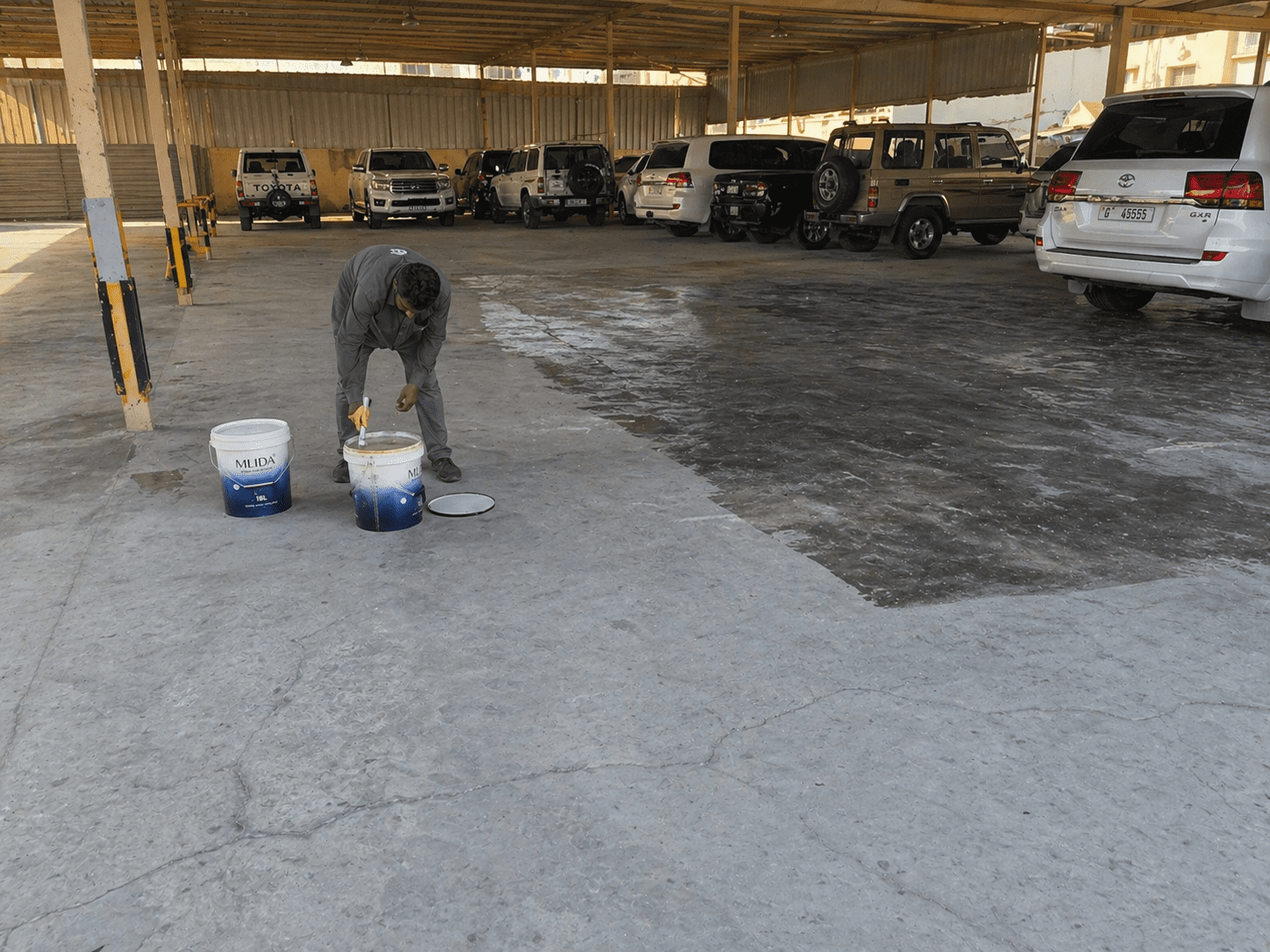
How to Use Concrete Bonding Agent: A Step-by-Step Guide
Proper application is just as important as the product quality itself. If you want to achieve a bond that is stronger than the concrete itself, follow these professional steps on how to use concrete bonding agent correctly.
Step 1: Surface Preparation (The Foundation)
Before opening your container of concrete bonding adhesive, you must ensure the substrate is ready. The surface must be:
- Clean: Remove all dust, dirt, and debris using a vacuum or pressure washer.
- Oil-Free: Any grease or oil will act as a bond-breaker. Use a degreaser if necessary.
- Sound: Remove any loose or "spalling" concrete. The bonding agent for concrete needs a solid, stable base to grab onto.
Step 2: Application (Uniform Coverage)
Stir the product thoroughly before use. You can apply the concrete glue adhesive using a heavy-duty brush, a textured roller, or even a low-pressure sprayer for larger industrial areas.
Pro Tip: Ensure you achieve a uniform coat without leaving any puddles. For highly porous surfaces, a second coat may be required once the first has penetrated.
Step 3: Timing is Everything (The "Tacky" Phase)
This is the most critical part of how to use concrete bonding agent. You should not pour the new concrete immediately, nor should you wait until the agent is completely dry.
- The Sweet Spot: Wait until the film becomes "Tacky", meaning it feels sticky to the touch but does not transfer to your glove.
- The Danger Zone: If the agent dries to a hard, glassy finish, its chemical bonding properties are lost. If this happens, you must lightly abrade the surface and apply a fresh coat before proceeding with the pour.
Step 4: Pouring the New Layer
While the surface is still tacky, place your new concrete, mortar, or stucco. This allows the wet material to chemically fuse with the bonding agent, creating a monolithic structure once cured.
Frequently Asked Questions (FAQ)
Q1: Can I use a concrete bonding agent on painted surfaces?
A: Generally, no. Most bonding agent for concrete products are designed to penetrate the pores of the concrete. Paint acts as a barrier, preventing the agent from reaching the substrate. For a successful bond, you should mechanically remove the paint (via grinding or sandblasting) before applying the concrete glue adhesive.
Q2: How long does concrete bonding agent take to dry?
A: Drying times vary based on temperature and humidity, but it typically takes 30 to 90 minutes to reach the ideal "tacky" state. In high-temperature environments, this window might be shorter. Always check the surface with your finger; it should be sticky but not wet.
Q3: What happens if the bonding agent dries completely before I pour?
A: If the bonding agent concrete dries to a hard, non-tacky film, it may lose its ability to fuse with the new layer and could even act as a bond-breaker. If this occurs, you must apply a fresh coat of the adhesive for concrete once the first coat is dry to re-establish the tacky interface.
Q4: Is concrete bonding agent waterproof?
A: While many high-quality concrete bonding adhesives (especially acrylic and SBR-based ones) offer excellent water resistance and seal the capillaries of the concrete, they are not a substitute for a dedicated waterproofing membrane in high-pressure environments like swimming pools. However, they are perfect for damp-proofing and preventing moisture-related delamination.
Q5: Can I mix the bonding agent directly into the concrete mix?
A: Yes, many products are dual-purpose. When used as an admixture, it improves the internal strength, flexibility, and chemical resistance of the concrete. However, if you are joining new concrete to old, a surface-applied primer coat is still the most effective way to ensure a strong interface.