Blog
How Do You Use Soundproof Paint to Quiet Your Space? Does It Really Work?

Whether you are launching a charming new cafe, creating a boutique homestay, or establishing a clothing store, there exists one unseen issue that can spoil the entire customer experience: noise.
No one wishes to savor a latte while being disturbed by the loud traffic outside, nor do they want to stay in a lovely room where they can overhear conversations from adjacent rooms. In your quest for simple solutions to reduce noise without the need for extensive renovations, you may have encountered a product known as soundproof paint (or acoustic paint).
However, before allocating your budget, you likely want to ascertain: Does it truly work? And what is the proper method for applying it to achieve optimal results? Let us bypass the perplexing chemical terminology and examine the straightforward, real-world facts.
What is Soundproof Paint?
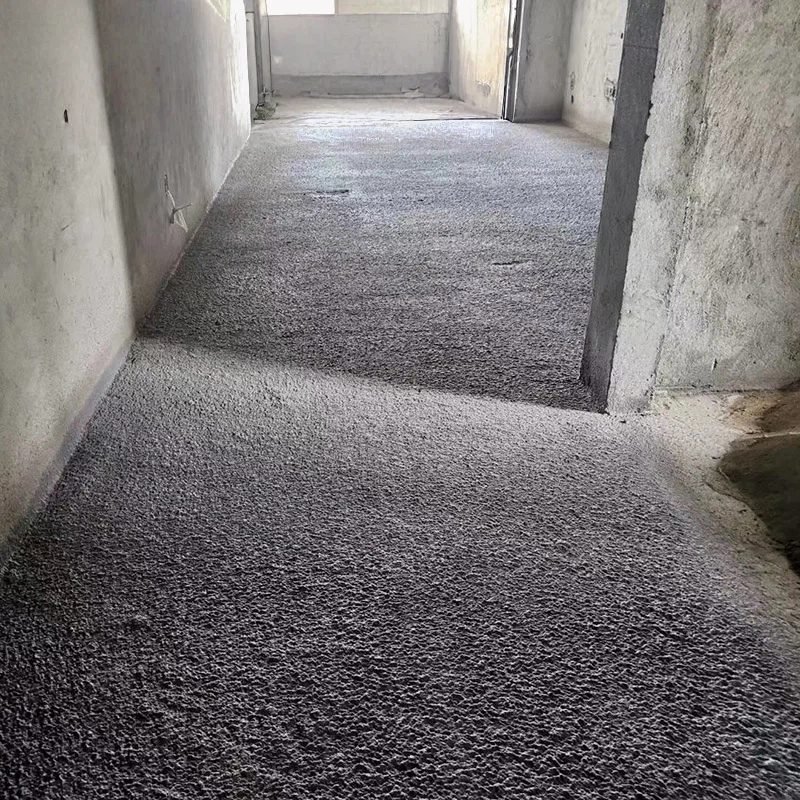
Consider soundproof paint to be a significantly thicker and denser variant of standard wall paint. Rather than merely providing color, it incorporates small, hollow ceramic spheres along with specialized sound-dampening additives.
Upon drying, it does not create a rigid, plastic-like surface. Instead, it forms a somewhat soft, dense coating on your wall. When sound waves, such as those from conversations, strike this coating, the minuscule ceramic cells absorb the vibrations, reduce the sound, and prevent it from reflecting back.
Does It Really Work?
The concise answer is: Yes, however, it is not a miraculous solution for all types of noise. To prevent wasting both time and resources, it is essential to understand precisely what it can and cannot achieve prior to commencing your commercial project.
👍 What It Is Great For:
Stopping Echoes: It is exceptionally effective at reducing the "empty room echo." If your café or restaurant features hard flooring and lofty ceilings, this paint will significantly enhance the ambiance, making the area feel much quieter and more inviting.
- Muffling Soft Noises: It excels at diminishing high-frequency sounds. It can effectively muffle light street noise, gentle background music, distant typing, or a soft conversation emanating from the adjacent room.
- Easy Upgrade: It provides a significant decrease in noise levels without the substantial expense and disruption associated with removing drywall or installing bulky acoustic panels.
👎 What It Cannot Do:
It Cannot Block Heavy Bass or Vibrations: If your establishment is situated next to a subway line, or if the room above you experiences heavy foot traffic and the dropping of substantial objects, soundproof paint will not be effective. Low-frequency impacts travel through the solid framework of the building, and a mere layer of paint cannot obstruct that intense energy.
How to Apply Soundproof Paint for Optimal Results
If you or your painters treat this product as if it were standard paint, it will fail to perform. The key to effective soundproofing lies in the thickness of the application. A single thin layer will be ineffective.
To ensure the success of your project, adhere to these straightforward and practical steps:
Step 1: Clean and Prime the Wall
The wall must be thoroughly cleaned, dry, and devoid of dust or grease. Given that soundproof paint is quite heavy and thick, it requires a solid foundation to prevent sagging or peeling over time.
Before applying the heavy acoustic coatings, always brush on a layer of our factory’s high-strength Concrete Bonding Adhesive / Wall Primer. This will seal the dust and securely bond the heavy paint to the wall.
Step 2: Apply Generously (Use 3 to 4 Coats)
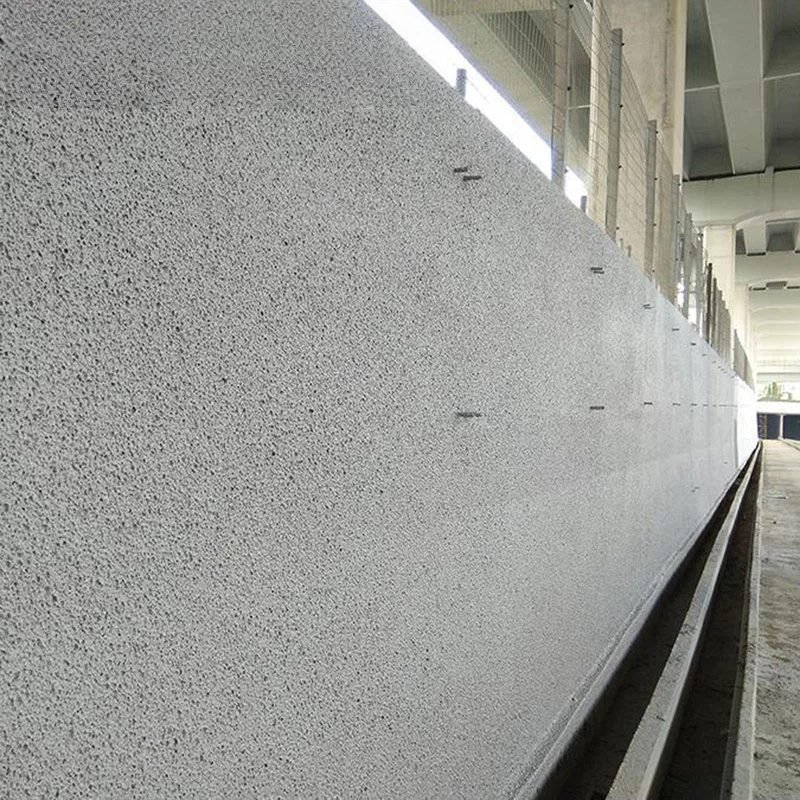
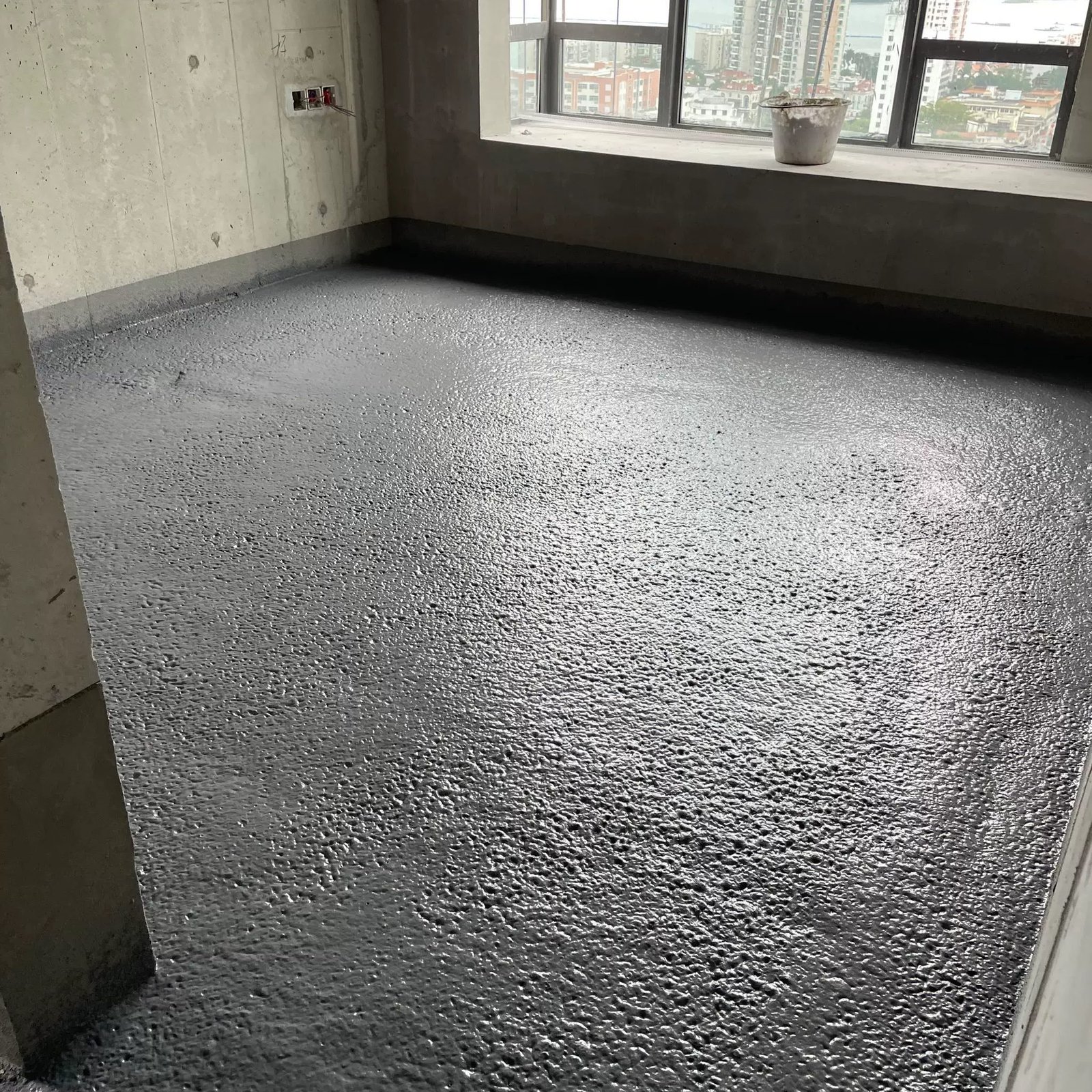
To effectively block sound, mass is essential. You need to apply 3 to 4 substantial coats of the paint. Utilize a thick, heavy-nap roller or a professional spray gun. Avoid attempting to stretch the paint over a large area; instead, apply it thickly. Allow each layer to dry completely before adding the next one.
Step 3: Add the Final Elegant Finish
Due to the sound-absorbing fillers in heavy soundproof paints (such as Metaline 440 or raw acoustic bases), they often dry with a slightly rough or matte finish. For upscale commercial environments like boutiques or designer offices, a more aesthetically pleasing finish is desirable.
Once your soundproofing layers have dried, you can apply a smooth decorative topcoat to achieve the desired style, color, and washability.
To transform that soundproof wall into a high-end masterpiece, consider topping it with our factory’s luxurious Velvet Paint / Venetian Plaster / Matte Art Coatings for a premium, durable finish that customers will appreciate.
Why Purchase Complete Systems Directly from a 20-Year Factory?
For entrepreneurs, renovation firms, and distributors, acquiring small DIY paint containers from a local retail outlet can become quite costly, and the formulas may not integrate effectively.
At our 7,000 sqm manufacturing facility, we focus on comprehensive, factory-direct coating systems. We do not merely sell a single bucket of paint, we offer compatible primers, base coats, and exquisite topcoats that are chemically engineered to adhere seamlessly. Additionally, we provide full OEM/ODM customization, tailored colors, and complete A+ and CE certifications for your commercial assurance.
Are you planning a commercial renovation or seeking to import high-quality coating systems? Reach out to our expert team today for factory-direct wholesale pricing and professional project guidance.
FAQs regarding soundproofing paint
- What is soundproof paint, and how does it differ from conventional paint?
Soundproof paint is a thick, heavy coating infused with acoustic fillers such as ceramic microspheres or thermacels. In contrast to regular paint, it is specifically formulated to absorb sound waves and minimize echo within spaces. Standard paint provides minimal to no acoustic advantages.
- How does soundproofing paint function?
It operates through viscoelastic damping, when sound waves strike the painted surface, the tiny microspheres vibrate. This mechanical energy is transformed into small amounts of heat, which helps to decrease sound transmission and echo.
- Is it possible for this paint to completely eliminate noise?
No. It is primarily designed to diminish mid-range background noise, such as conversations or echoes, and typically reduces sound levels by approximately 20–30%. However, it is not effective against loud or low-frequency noises like traffic or bass from music.
- What level of noise reduction can I anticipate?
Both users and manufacturers frequently indicate a reduction of about 30% in mid-frequency sound levels. This product is more effective at reducing echo and enhancing room acoustics than it is at entirely blocking sound.
- How many coats of soundproofing should be applied?
Generally, it is advisable to apply two to three coats to achieve sufficient thickness for effective sound dampening. Some high-end systems utilize a two-step application process, consisting of a base coat and a finish coat, to enhance performance.
- Is it possible to apply sound-dampening paint over existing paint?
Yes, it adheres effectively to clean, dry, and primed surfaces. Adequate preparation guarantees optimal performance.
- Does soundproof paint also offer thermal insulation?
Yes, certain types containing thermacels or ceramic fillers provide slight thermal insulation advantages, although the primary focus remains on noise reduction.
- What are the limitations of its application?
It is most effective on smooth interior surfaces. It does not seal gaps or prevent sound transmission at doors, windows, or shared walls on its own. Additionally, it is less effective in absorbing low-frequency rumble.
- How does it compare to acoustic panels or conventional wall treatments?
Acoustic panels, mass-loaded vinyl, and drywall assemblies are significantly more effective at blocking sound than paint. Soundproof paint is best utilized as a complement to traditional soundproofing methods, rather than as a substitute.
- Is it possible to paint soundproofing foam?
Yes, but caution is required. Excessive paint can obstruct the foam's pores and diminish its absorption capabilities. Applying thin, even sprays helps maintain its acoustic properties.
- What is the coverage area of one gallon of soundproof paint?
Coverage depends on the brand and the thickness of the application. Generally, anticipate approximately 80–150 sq ft per coat for each gallon. Applying multiple coats may decrease the effective coverage per gallon.
- Which types of noise are most effectively mitigated by soundproof paint?
It is most effective against mid-frequency sounds such as typical conversations, echoes, room reflections, and certain ambient noises. It is not suitable for low-frequency or high-decibel sounds like traffic or bass music.
- What is the drying time for sound dampening paint?
Drying times can differ based on the product, as well as the temperature and humidity levels. Some products may be touch-dry within 20–40 minutes between coats, but complete curing could take several hours or even up to 72 hours in cooler or more humid environments.
- Is the application of soundproof paint challenging?
Not particularly; the application process is similar to that of regular paint, utilizing a roller, brush, or sprayer. However, due to its thicker and heavier consistency, it is crucial to stir thoroughly and use appropriate equipment.
- Can soundproof paint eliminate all noise?
In truth, no paint can assure total silence. However, sound dampening paint can greatly diminish noise levels and enhance overall comfort.
- Is soundproof paint safe for indoor application?
The majority of soundproof paints currently on the market are low-VOC, rendering them safe for indoor use and more environmentally friendly.