Blog
Exterior Alkali Resistant Sealer Primer: The Foundation of Durable Exterior Finishes

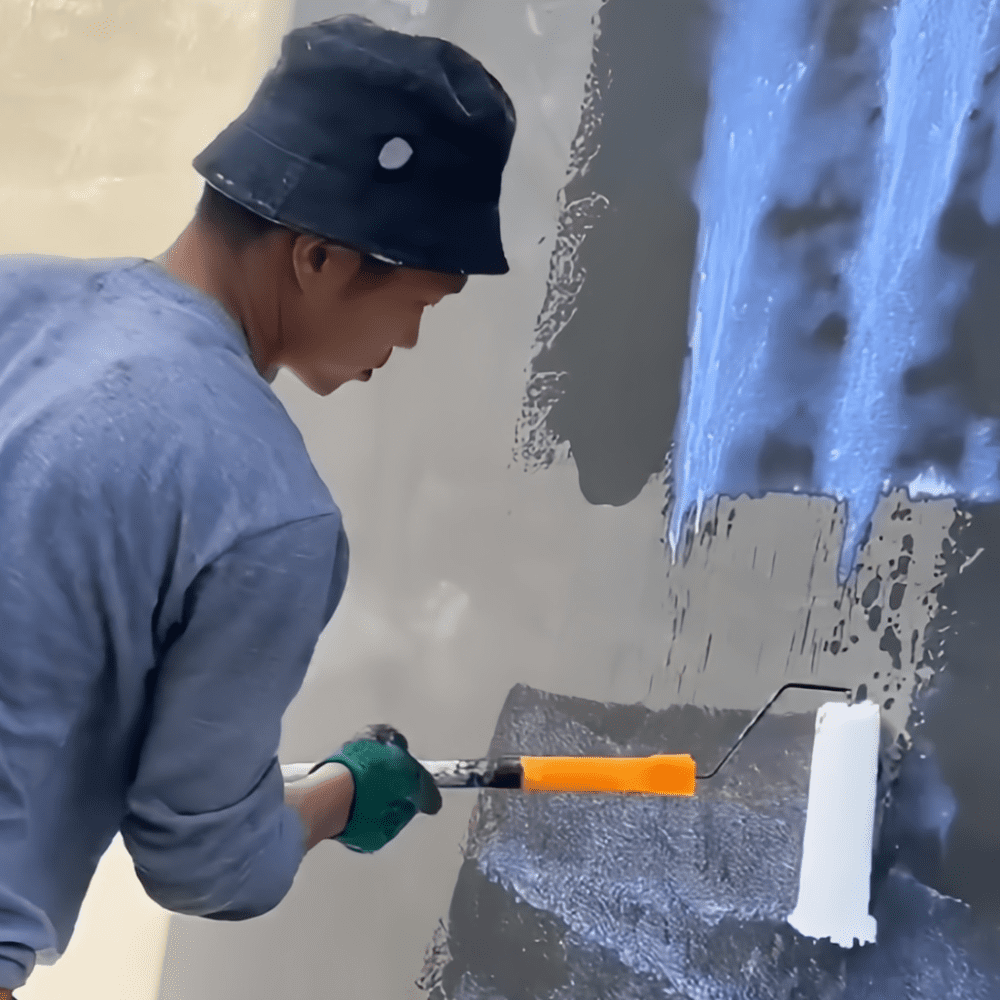
When it comes to exterior painting, staining, or coating projects, many homeowners and contractors focus on selecting high-quality topcoats—yet overlook a critical underlayer that determines the longevity and performance of the entire finish: exterior alkali resistant sealer primer. Designed to combat the unique challenges of outdoor surfaces, this specialized product acts as a protective barrier, preventing alkali damage, improving adhesion, and ensuring your exterior treatments stand the test of time against harsh weather and environmental stressors. In this blog, we’ll break down everything you need to know about this essential building material, from its key functions to application best practices.
What Is Exterior Alkali Resistant Sealer Primer?
Exterior alkali resistant sealer primer is a dual-purpose undercoat formulated to address two primary issues with exterior masonry, concrete, stucco, and brick surfaces: alkali migration and poor adhesion. Alkali—naturally present in cement-based materials—rises to the surface when exposed to moisture, reacting with topcoats (like paint or stain) to cause fading, blistering, peeling, and discoloration. This primer creates a breathable, impermeable barrier that blocks alkali from reaching the surface while enhancing the bond between the substrate and the subsequent finish.
Unlike standard primers, which focus solely on adhesion, alkali resistant variants are engineered with specialized resins (such as acrylic, polyurethane, or epoxy) and anti-alkali additives. These components not only neutralize surface alkalinity but also seal porous surfaces, preventing moisture penetration and reducing the risk of mold, mildew, and structural degradation. Available in clear or tinted formulations, they adapt to various aesthetic needs while maintaining core protective properties.
Why Exterior Surfaces Need Alkali Resistant Sealer Primer
Outdoor cementitious surfaces are inherently vulnerable to alkali damage and moisture-related issues. Here’s why an alkali resistant sealer primer is non-negotiable for exterior projects:
1. Blocks Alkali Migration
Cement, stucco, and brick contain calcium hydroxide, an alkaline compound that dissolves in water and migrates upward. When it reaches the surface and reacts with carbon dioxide in the air, it forms calcium carbonate (efflorescence)—a white, powdery residue that ruins topcoat appearance and adhesion. Alkali resistant primers stop this migration by creating a barrier that locks alkali within the substrate, preserving the integrity of the finish.
2. Enhances Adhesion
Porous exterior surfaces (like concrete and stucco) have uneven textures that make it difficult for topcoats to adhere properly. The primer penetrates deep into surface pores, filling gaps and creating a smooth, uniform base. This improves the bond between the substrate and paint, stain, or coating, reducing peeling and flaking even in high-wind, rainy, or extreme temperature conditions.
3. Seals Moisture and Prevents Damage
Exterior surfaces are constantly exposed to rain, snow, humidity, and dew. Unsealed surfaces absorb moisture, leading to cracking, spalling, and mold growth. Alkali resistant sealer primers are breathable—allowing vapor to escape while blocking liquid water—preventing trapped moisture from damaging both the substrate and the finish.
4. Extends Finish Longevity
By addressing alkali damage, poor adhesion, and moisture penetration, this primer significantly extends the lifespan of topcoats. Without it, exterior paints and stains may need frequent touch-ups or full reapplication every 2-3 years. With a quality alkali resistant primer, finishes can last 5-10 years or more, reducing long-term maintenance costs.
5. Improves Color Consistency
Alkali reactions and moisture can cause topcoats to fade or discolor unevenly. By neutralizing the surface and creating a uniform base, alkali resistant sealer primer ensures that paint or stain colors appear true to their intended shade and maintain consistency across the entire surface.
Ideal Applications for Exterior Alkali Resistant Sealer Primer
This specialized primer is designed for use on alkali-prone exterior surfaces. Here are the most common applications:
Residential Projects
- Masonry & Concrete: Driveways, walkways, patios, and foundation walls. Ideal for new concrete (which releases high levels of alkali as it cures) and older surfaces prone to efflorescence.
- Stucco: Exterior stucco walls, a common target for alkali damage due to its cement-based composition. The primer prevents blistering and peeling of stucco paints.
- Brick & Stone: Clay brick, natural stone, and manufactured stone veneers. It seals porous surfaces and blocks alkali from reacting with masonry stains or paints.
- Concrete Blocks: Cinder blocks used for retaining walls, garden beds, or exterior facades. The primer protects against moisture and alkali migration.
Commercial Projects
- Commercial Buildings: Exterior concrete or stucco facades, parking garages, and loading docks. Ensures long-lasting finishes in high-traffic, high-moisture environments.
- Institutional Structures: Schools, hospitals, and government buildings with masonry exteriors. Reduces maintenance costs and preserves aesthetic appeal.
- Industrial Sites: Warehouses, factories, and storage facilities with concrete or brick exteriors. Resists harsh industrial conditions and chemical exposure (when paired with compatible topcoats).
How to Choose the Right Exterior Alkali Resistant Sealer Primer
Not all alkali resistant primers are created equal. To select the right product for your project, consider the following factors:
1. Substrate Type
Different surfaces require tailored formulations: Concrete/Stucco: Acrylic-based alkali resistant primers are ideal for porous, breathable surfaces. They offer excellent adhesion and flexibility for surfaces that expand and contract with temperature changes.Brick/Stone: Silicone or polyurethane-based primers provide deep penetration and superior moisture resistance, perfect for porous masonry.New vs. Old Surfaces: New concrete/stucco releases more alkali, so choose a high-alkali-resistant primer with extended curing protection. Older surfaces may need a primer with stain-blocking properties to hide efflorescence residue.
2. Climate Conditions
Consider your local weather when selecting a primer: Humid/Rainy Climates: Opt for a breathable, water-resistant primer to prevent trapped moisture.Extreme Temperatures: Choose a flexible primer that can withstand freeze-thaw cycles without cracking.Coastal Areas: Select a primer with saltwater resistance to combat corrosion and moisture from ocean air.
3. Topcoat Compatibility
Ensure the primer is compatible with your chosen topcoat. For example: Acrylic primers work with acrylic, latex, and water-based paints.Epoxy primers pair well with epoxy coatings, industrial paints, and high-performance finishes.Silicone primers are compatible with masonry stains and clear coats.
4. VOC Content
For eco-friendly projects or areas with strict environmental regulations, choose low-VOC or zero-VOC primers. These are safer for applicators and the environment, with minimal odor during application—ideal for residential neighborhoods and commercial spaces with occupied interiors.
Application Tips for Optimal Results
Proper application is key to maximizing the performance of exterior alkali resistant sealer primer. Follow these steps for best results:
- Surface Preparation: Clean the surface thoroughly to remove dirt, dust, oil, grease, and existing efflorescence. Use a pressure washer (set to 1500-2000 PSI) for concrete and stucco, or a stiff brush for brick. Repair cracks, holes, or spalled areas with a compatible patching compound. Allow the surface to dry completely—new concrete should cure for at least 28 days to reduce alkali levels.
- Test for Alkalinity: Use an alkali test kit to check surface pH. Ideal pH levels for primer application are 6-9. If the surface is highly alkaline (pH > 9), apply a pH-neutralizing solution before priming.
- Apply Evenly: Use a high-quality brush, roller, or sprayer to apply the primer in thin, even coats. Avoid over-application, as this can cause bubbling or cracking. Follow the manufacturer’s instructions for coverage rate (typically 200-400 square feet per gallon).
- Allow Proper Drying Time: Most alkali resistant primers require 4-6 hours of drying time at 70°F (21°C) and 50% humidity. Avoid applying topcoats until the primer is fully cured—premature application can compromise adhesion and alkali resistance.
- Apply Topcoat: Once the primer is cured, apply your chosen topcoat (paint, stain, or coating) according to the manufacturer’s guidelines. For maximum durability, apply two coats of topcoat.