Infobox title.
Infobox title.

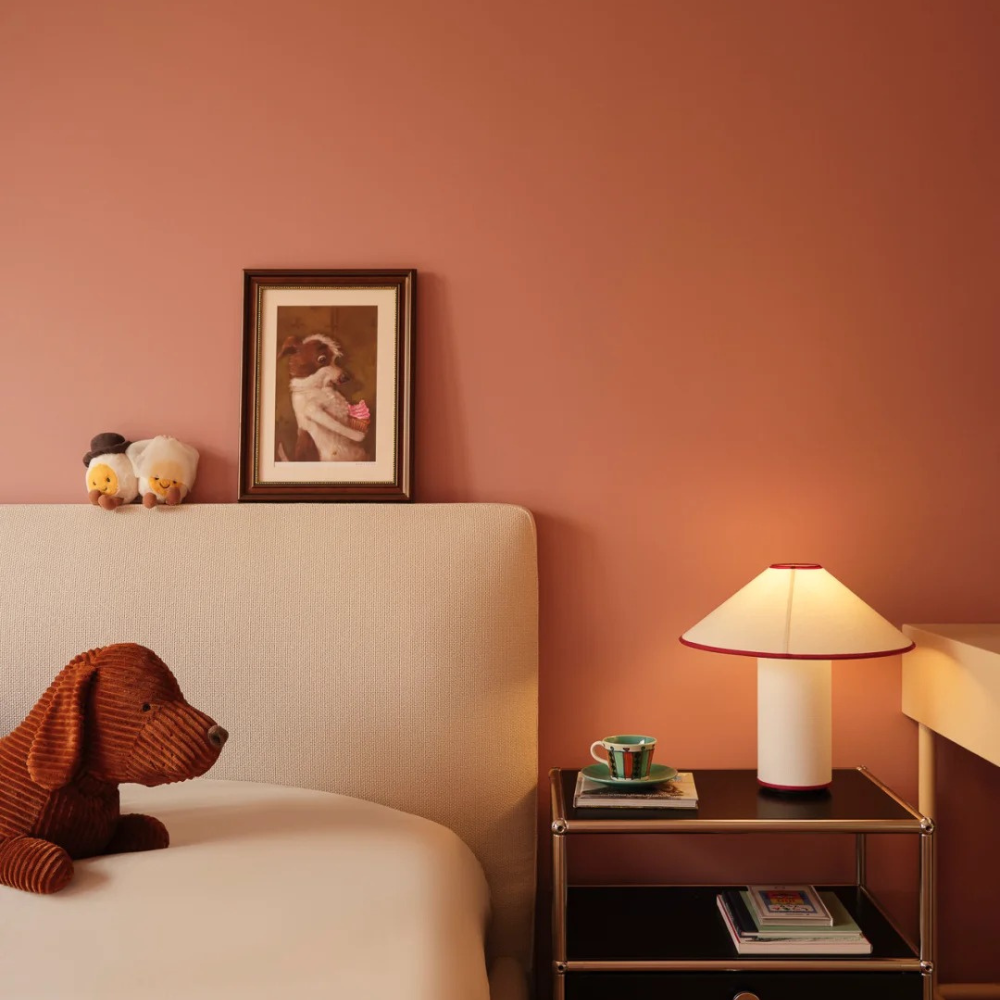
With the extensive selection of paint colors available, it can be challenging to determine where to start. If you are like many homeowners, you are not only selecting the appropriate colors but also ensuring that they coordinate seamlessly from one room to another.
Continue reading for tips, tricks, and ideas that will assist you in confidently developing a color palette for your home.
If you are beginning with a fully furnished space, consider a favorite rug, artwork, or fabric present in your environment. Often, these items are cherished because they incorporate colors that appeal to you. Utilize these combinations as a reference for selecting shades for your walls.
Identify the features or existing finishes in the room that you would regard as permanent, such as cabinets, tiles, or a brick fireplace. Incorporate them into your color selection process. For instance, if the wood of your kitchen cabinets has a red undertone, ensure that the paint color you select harmonizes well with that hue.
You can highlight your home's most attractive architectural features, such as crown molding or arched window treatments, using contrasting paint – either lighter or darker than the wall – or by painting them the same color with a glossy finish.
The depth of a space can influence the atmosphere, but you can utilize color to align the ambiance with your vision.
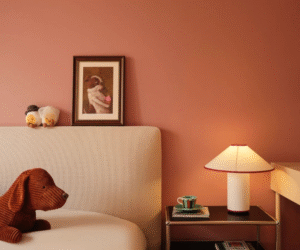
Lighter colors can create an illusion of openness in a small area. Conversely, dark colors can make surfaces seem closer, imparting a more intimate feel to expansive rooms. Bright, cool whites can enhance the perception of space, making it feel larger and more open, while warmer tones can foster a cozy and intimate atmosphere.
A long, narrow room will appear wider if you apply a slightly darker color on the shorter walls and a lighter color on the longer walls. You can create the illusion of a higher ceiling by using a lighter color, or a lower ceiling with a darker shade.
It is important to note that the color you select may appear differently at various times throughout the day and night. The warm hues of incandescent lighting will impact the color differently compared to the natural daylight. Once you understand how various light sources can influence your color selections, you can adjust the ambiance of your room to align with the rhythm of your day.
This is why it is advisable to choose a color for your space rather than selecting a paint color directly from the store. We suggest applying a paint swatch on your wall and observing it under different lighting conditions and at various times of the day.
To create a seamless flow of colors from one room to another, opt for different shades within a shared color palette. Explore the latest Colormix Forecast for designer-selected palettes that are expertly coordinated, allowing you to mix and match with assurance.
Consider utilizing a neutral color as a palette cleanser in rooms or hallways that connect to areas with vibrant colors.
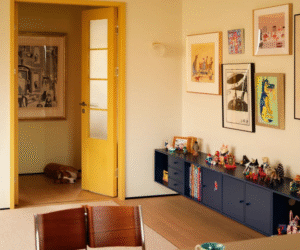
Link spaces throughout your home by applying the same neutral color to all trim and doors.
This approach can also be applied using white paint. Many homes feature white accents throughout. Identify a white paint that you adore and use it consistently whenever you are painting something white.
Color plays a significant role in establishing the atmosphere of a space. The color choices you make can influence whether a room feels inviting enough for a cozy reading session or vibrant enough for engaging dinner conversations.
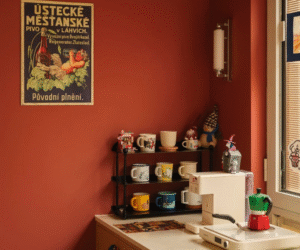
Consider the intended use of the room. Is the environment more suited for social interaction or privacy? In social areas of your home—such as dining rooms, kitchens, and other living spaces—warm colors from the yellow and red spectrum are appropriate. In contrast, cooler shades of blue, green, and neutrals are more fitting for private spaces like bedrooms, bathrooms, and home offices.
Complete the final touch on your selected paint color by choosing a sheen that accentuates the appearance of the surface. Sheen, also known as paint finish, indicates the degree to which light is reflected from a painted surface, leading to gloss or its absence. Reflect on the typical applications of sheen outlined below, or deviate from convention and explore innovative uses of sheen.
Sheens and glosses exist on a spectrum from no shine to high shine. Various levels of sheen can influence the appearance of colors and contribute depth to rooms. Although there are numerous types of sheen, you will most commonly encounter these four essential interior paint finishes throughout your painting experience.
If you find yourself uncertain about sheen, please send us an email, and we will suggest the most appropriate paint for your project.
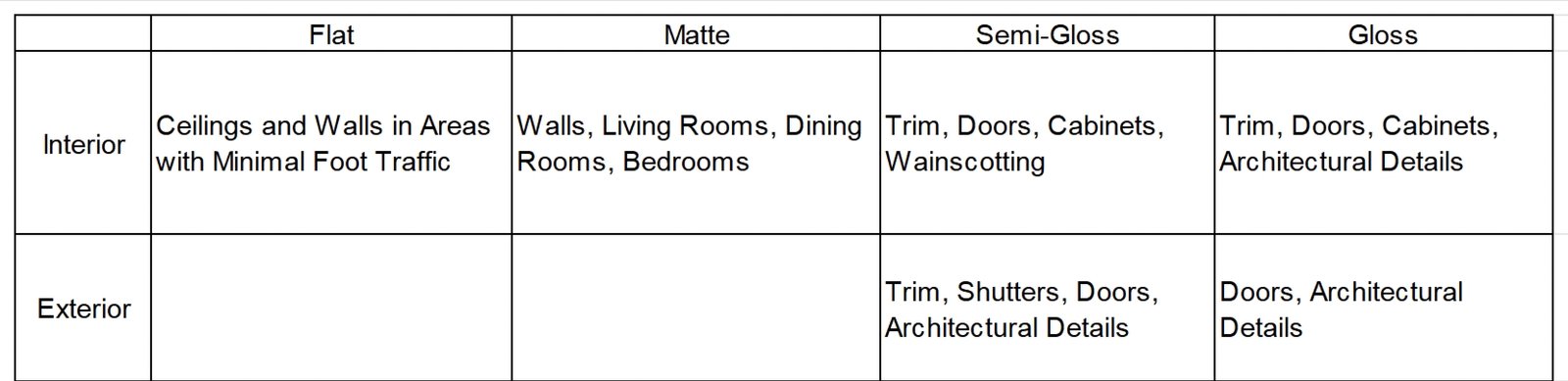
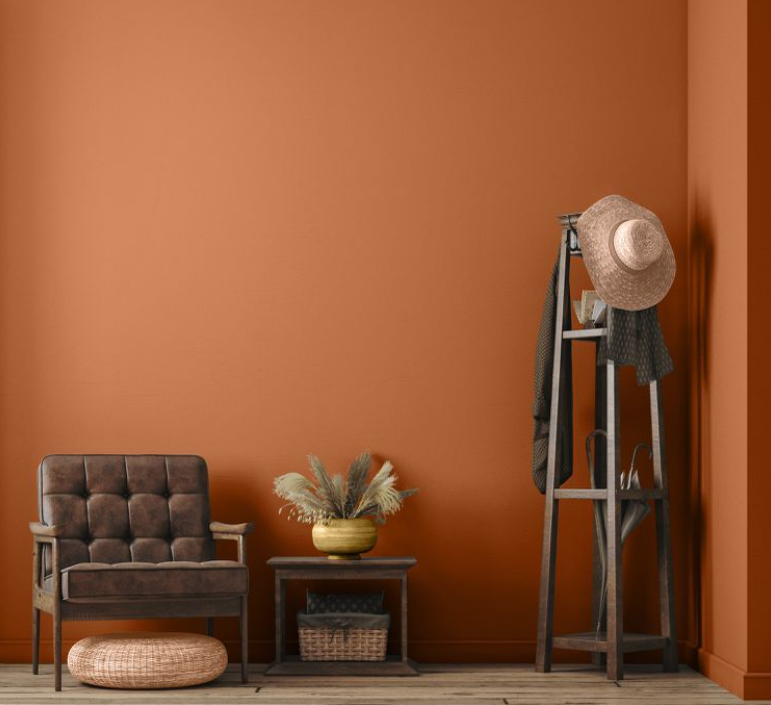
Flat paint refers to a finish that does not reflect light, resulting in a completely matte appearance. This absence of reflection enables more paint pigment to be visible, is more forgiving of imperfections, and provides excellent coverage, leading to a consistent surface. Due to its capacity to conceal flaws, it delivers a perfect finish and is particularly suitable for ceilings and areas with minimal foot traffic.
However, one should exercise caution when contemplating the use of flat paint in high-traffic zones that necessitate regular maintenance. Stains can be more challenging to eliminate from low-sheen finishes, and frequent scrubbing or cleaning may lead to burnishing.

A matte finish is almost as devoid of shine as a flat finish, offering remarkable coverage and depth of color, while also being somewhat more durable. Paint with a matte finish can endure regular washing, even in high-traffic areas such as hallways and family rooms.
The matte appearance adds a touch of elegance to various interior spaces, such as bedrooms and dining rooms. Bathrooms and regions that experience higher moisture levels can also be coated with a matte finish, which is specifically formulated to provide outstanding durability, color retention, and resistance to mildew in humid conditions.
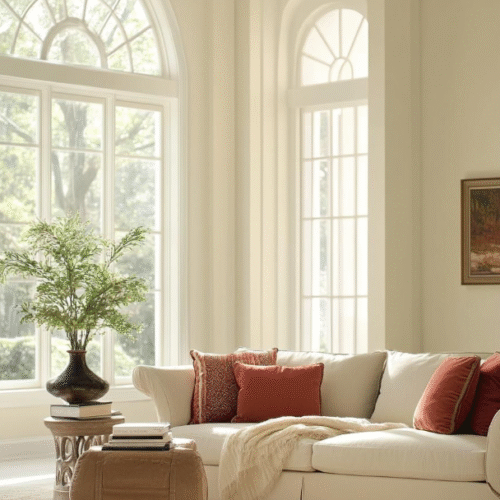
The luminous look of semi-gloss paint is perfectly suited to highlight the architectural details of your home. Its balanced sheen adds dimension to millwork, trim, and doors, bringing out the craftsmanship and definition of each surface. This finish elevates both classic and modern interiors by creating a clean, refined visual appeal.
Semi-gloss paint also delivers practical performance. Its smooth, subtle shine enhances depth without appearing overly glossy, while the durable, moisture-resistant surface stands up beautifully in high-traffic areas. Easy to clean and maintain, it’s a go-to choice for trim, doors, kitchens, bathrooms, and other spaces that demand both style and long-lasting protection.
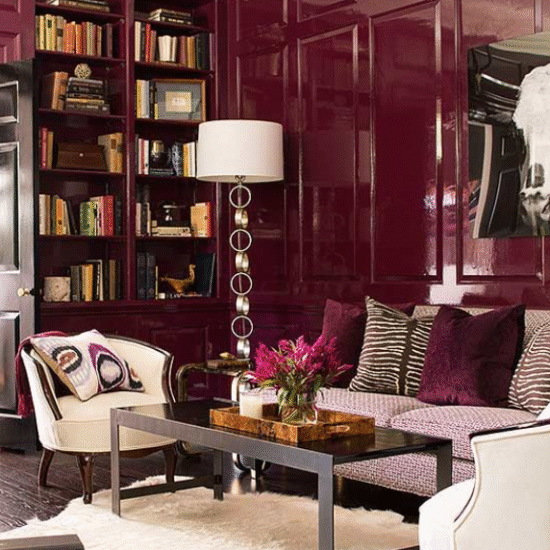
Providing a mirror-like appearance, high gloss ranks at the top of the sheen scale. This finish is remarkably durable and imparts an elegant shine. It is simple to clean, resistant to stains, and will enhance the aesthetic of doors, trim, and even a kitchen that experiences heavy foot traffic.
Numerous interior designers, along with adventurous homeowners, enjoy experimenting with high gloss paint in unconventional locations, such as ceilings or accent walls. However, it is important to remember that high gloss paints necessitate meticulous application and preparation, which is best handled by a professional painter.
If you are dedicated to a DIY approach, refine your technique and prime any surfaces to guarantee they are smooth and clean before applying paint. Given that a gloss finish reflects light and can highlight imperfections, it is advisable to refrain from using it on surfaces that are not entirely smooth.