Blog
Interior Alkali Resistant Sealer Primer: The Hidden Guardian of Indoor Surfaces

When renovating or refinishing interior spaces—whether a home kitchen, commercial office, or institutional facility—attention often turns to paint colors, textures, and final finishes. Yet, the longevity and beauty of these finishes depend on a often-overlooked foundation:interior alkali resistant sealer primer. Tailored to combat the unique challenges of indoor masonry, concrete, and cement-based surfaces, this specialized undercoat blocks harmful alkali migration, enhances adhesion, and ensures your indoor finishes remain flawless for years. In this blog, we’ll explore why this product is a must-have for indoor projects, its key benefits, ideal applications, and how to choose and apply it effectively.
What Is Interior Alkali Resistant Sealer Primer?
Interior alkali resistant sealer primer is a purpose-built underlayer designed to address alkali-related damage and poor adhesion on indoor cementitious surfaces. Unlike exterior variants, it’s formulated to suit enclosed environments—prioritizing low VOC (volatile organic compounds) levels, breathability, and compatibility with interior topcoats like latex paint, decorative plasters, and stains. Alkali, a natural component of concrete, stucco, mortar, and brick, migrates to the surface when exposed to indoor moisture (from humidity, plumbing leaks, or cleaning) and reacts with topcoats, causing peeling, blistering, discoloration, and efflorescence (a white powdery residue).
This primer creates a thin, breathable barrier that locks alkali within the substrate while sealing porous surfaces. Crafted with specialized resins—such as acrylic, water-based epoxy, or polyurethane—it neutralizes surface alkalinity, prevents moisture penetration, and forms a smooth base for subsequent finishes. Available in clear or tinted options, it preserves the natural look of surfaces like exposed brick or concrete while delivering uncompromising protection.
Why Indoor Surfaces Need Alkali Resistant Sealer Primer
Indoor cementitious surfaces face distinct challenges—stable but persistent humidity, limited ventilation in some areas, and strict aesthetic demands. Here’s why interior alkali resistant sealer primer is indispensable for indoor projects:
1. Stops Alkali Damage in Enclosed Spaces
Indoor moisture (from bathrooms, kitchens, or basements) accelerates alkali migration in concrete, stucco, or brick walls. Without a barrier, alkali reacts with paint and finishes, leading to unsightly peeling and discoloration that’s difficult to repair. The primer blocks this migration, neutralizing surface alkalinity and preserving the integrity of topcoats—even in high-humidity rooms like bathrooms and laundry areas.
2. Boosts Adhesion on Porous Indoor Surfaces
Indoor surfaces like concrete floors, masonry accent walls, or stucco ceilings are highly porous, making it hard for paints and finishes to adhere evenly. The primer penetrates deep into surface pores, filling gaps and creating a uniform, tacky base. This ensures topcoats bond tightly, reducing chipping and flaking—critical for high-traffic indoor areas like hallways or commercial lobbies.
3. Controls Moisture Without Trapping Vapor
Unlike non-breathable sealants that trap moisture (leading to mold and mildew in enclosed spaces), interior alkali resistant primers are permeable. They block liquid water from seeping into surfaces while allowing water vapor to escape, maintaining healthy indoor air quality and preventing mold growth—a key consideration for bedrooms, nurseries, and healthcare facilities.
4. Enhances Finish Longevity and Aesthetics
By eliminating alkali reactions and improving adhesion, the primer extends the lifespan of indoor finishes. Without it, interior paints may need touch-ups every 1-2 years; with a quality primer, finishes can last 5-7 years or more. It also ensures consistent color and texture, preventing uneven fading or discoloration that mars the look of accent walls, floors, or decorative masonry.
5. Meets Indoor Air Quality Standards
Top-tier interior alkali resistant primers are low-VOC or zero-VOC, complying with strict environmental regulations (like LEED) and ensuring safe air quality. This makes them ideal for homes, schools, hospitals, and offices—spaces where occupant health is a priority—with minimal odor during application and no harmful fumes post-installation.
Ideal Applications for Interior Alkali Resistant Sealer Primer
This primer is designed for indoor alkali-prone surfaces, spanning residential, commercial, and institutional projects. Here are its most common uses:
Residential Applications
- Concrete Floors: Basements, garages (converted to living spaces), kitchens, and entryways. Seals porous concrete, prevents alkali damage, and creates a base for floor paints or epoxy coatings.
- Masonry Accent Walls: Exposed brick, stone, or stucco walls in living rooms, bedrooms, or dining areas. Preserves natural texture while blocking alkali and moisture.
- Bathrooms & Laundry Rooms: Cement backer boards behind tiles, stucco walls, or concrete countertops. Resists humidity-driven alkali migration and mold growth.
- Fireplaces: Masonry or concrete fireplace surrounds. Protects against heat-induced moisture and alkali reactions that damage decorative finishes.
Commercial & Institutional Applications
- Office Buildings: Concrete floors, masonry accent walls, or stairwells. Ensures durable finishes in high-traffic areas with minimal maintenance.
- Healthcare Facilities: Hospitals, clinics, and labs. Low-VOC formulations support clean air quality, while moisture resistance prevents mold in sterile environments.
- Educational Spaces: Schools, colleges, and daycare centers. Durable, non-toxic protection for concrete floors and masonry walls in busy classrooms and hallways.
- Retail Stores: Exposed concrete floors, brick walls, or decorative masonry displays. Maintains aesthetic appeal while withstanding heavy foot traffic.
How to Choose the Right Interior Alkali Resistant Sealer Primer
Selecting the right primer depends on surface type, indoor conditions, and finish compatibility. Here’s a guide to make the best choice:
1. Surface Type & Porosity
Match the primer to your indoor surface: Concrete/Stucco: Water-based acrylic primers are ideal—they’re breathable, low-VOC, and offer flexibility for surfaces that expand slightly with temperature changes.Brick/Stone: Silicone-acrylic hybrid primers penetrate deeply, sealing porous masonry without obscuring natural texture. They resist moisture and alkali while enhancing stain adhesion.Cement Backer Boards: Epoxy-based primers provide strong adhesion and moisture resistance, perfect for bathroom and kitchen tile underlayments.
2. Indoor Humidity Levels
Adjust your choice based on room humidity: High-Humidity Areas (Bathrooms, Laundries): Choose a breathable primer with enhanced moisture resistance to prevent mold. Look for products labeled “humidity-resistant.”Standard Humidity Areas (Bedrooms, Offices): Low-VOC acrylic primers suffice, balancing protection and air quality.
3. Topcoat Compatibility
Ensure the primer works with your chosen finish: Acrylic primers pair with latex, acrylic, and water-based paints—ideal for most interior walls and ceilings.Epoxy primers compatibility with epoxy coatings, industrial paints, and tile adhesives—great for floors and high-wear surfaces.Silicone-acrylic primers work with masonry stains, clear coats, and decorative plasters—perfect for accent walls.
4. VOC Content & Environmental Certifications
For occupied spaces, prioritize low-VOC (≤50 g/L) or zero-VOC primers. Look for certifications like GREENGUARD or LEED compliance to ensure safe air quality, especially in schools, hospitals, and homes with children or pets.
Application Tips for Indoor Projects
Proper application ensures the primer performs optimally in indoor settings. Follow these steps:
- Surface Preparation: Clean surfaces thoroughly to remove dust, dirt, oil, and existing efflorescence. Use a stiff brush or mild detergent; avoid harsh chemicals that leave residues. Repair cracks or holes with a compatible patching compound. Allow surfaces to dry completely—concrete should cure for 28 days, and damp surfaces (like basement floors) should dry for 48+ hours to prevent trapped moisture.
- Test for Alkalinity: Use an alkali test kit to check surface pH (ideal range: 6-9). If pH > 9, apply a pH-neutralizing solution and let it dry before priming—critical for new concrete or stucco.
- Ensure Proper Ventilation: Open windows or use fans during application to reduce odor (even with low-VOC products) and speed drying.
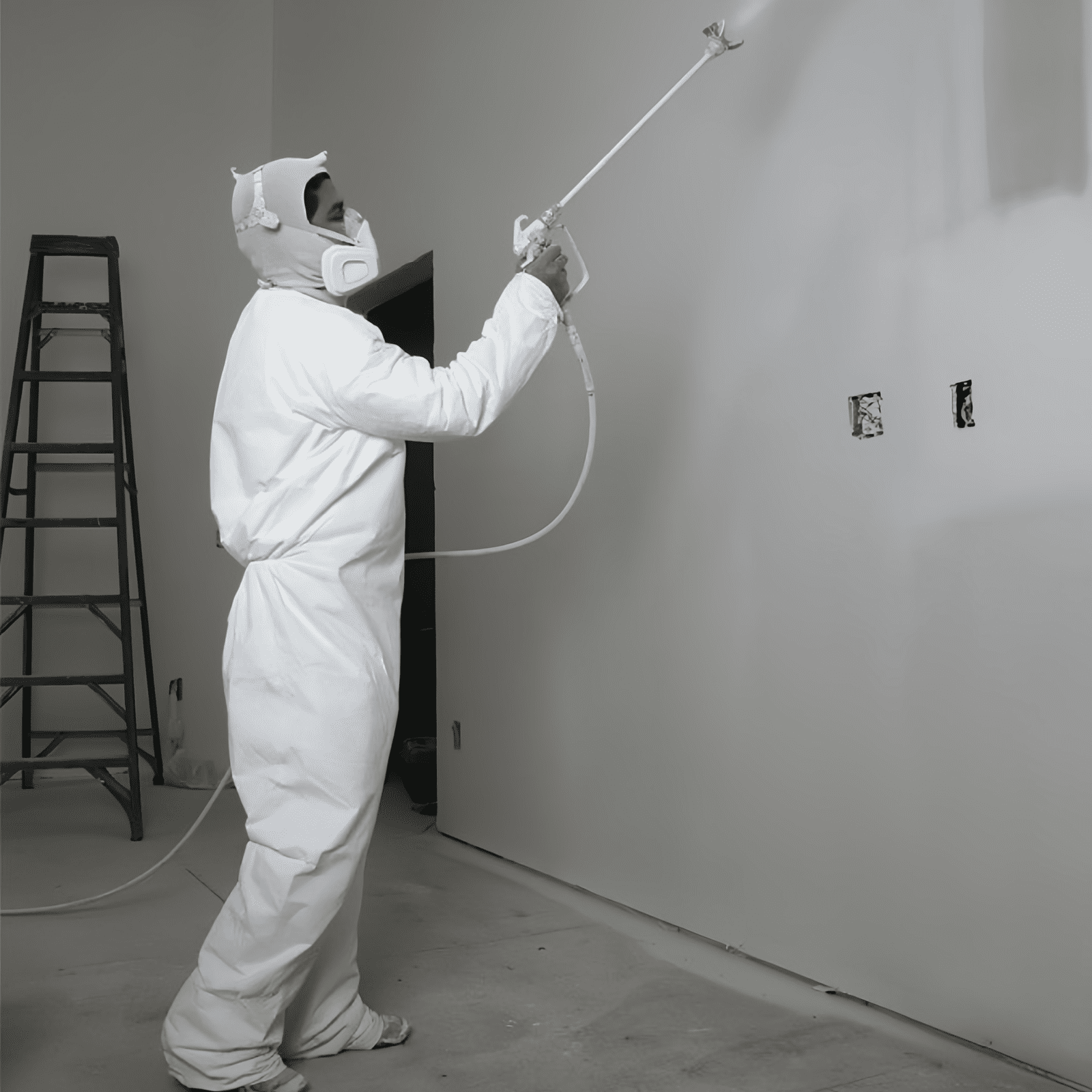
- Apply Evenly: Use a brush, roller, or sprayer to apply thin, uniform coats. Avoid over-application, which causes bubbling or clouding. Follow coverage guidelines (typically 250-400 sq. ft. per gallon).
- Allow Curing Time: Let the primer dry for 4-6 hours (at 70°F/21°C and 50% humidity) before applying topcoats. Premature topcoating compromises adhesion and alkali resistance.
Common Indoor Application Mistakes to Avoid
Steer clear of these errors to ensure a successful project:
- Priming Damp Surfaces: Traps moisture, leading to mold and peeling. Always ensure surfaces are fully dry.
- Ignoring Alkali Testing: High pH levels degrade primers and topcoats—don’t skip this step for new or recently repaired surfaces.
- Using Exterior Primer Indoors: Exterior primers have higher VOCs and may not be breathable, causing odor and moisture issues in enclosed spaces.
- Overlooking Ventilation: Even low-VOC primers need airflow to dry properly and disperse minimal odors.
Final Thoughts
Interior alkali resistant sealer primer is the unsung hero of durable, beautiful indoor finishes. By blocking alkali damage, enhancing adhesion, and supporting healthy air quality, it ensures your indoor surfaces—from basement floors to brick accent walls—stand the test of time. Whether renovating a home, office, or institutional space, investing in the right interior primer saves time, money, and frustration by eliminating costly touch-ups and preserving the integrity of your finishes.
Choose a primer tailored to your surface, humidity levels, and topcoat, follow proper application steps, and enjoy a flawless, long-lasting interior that combines protection and aesthetics.