Blog
Liquid Waterproof Membrane: The Flexible, Reliable Solution for Leak-Free Protection

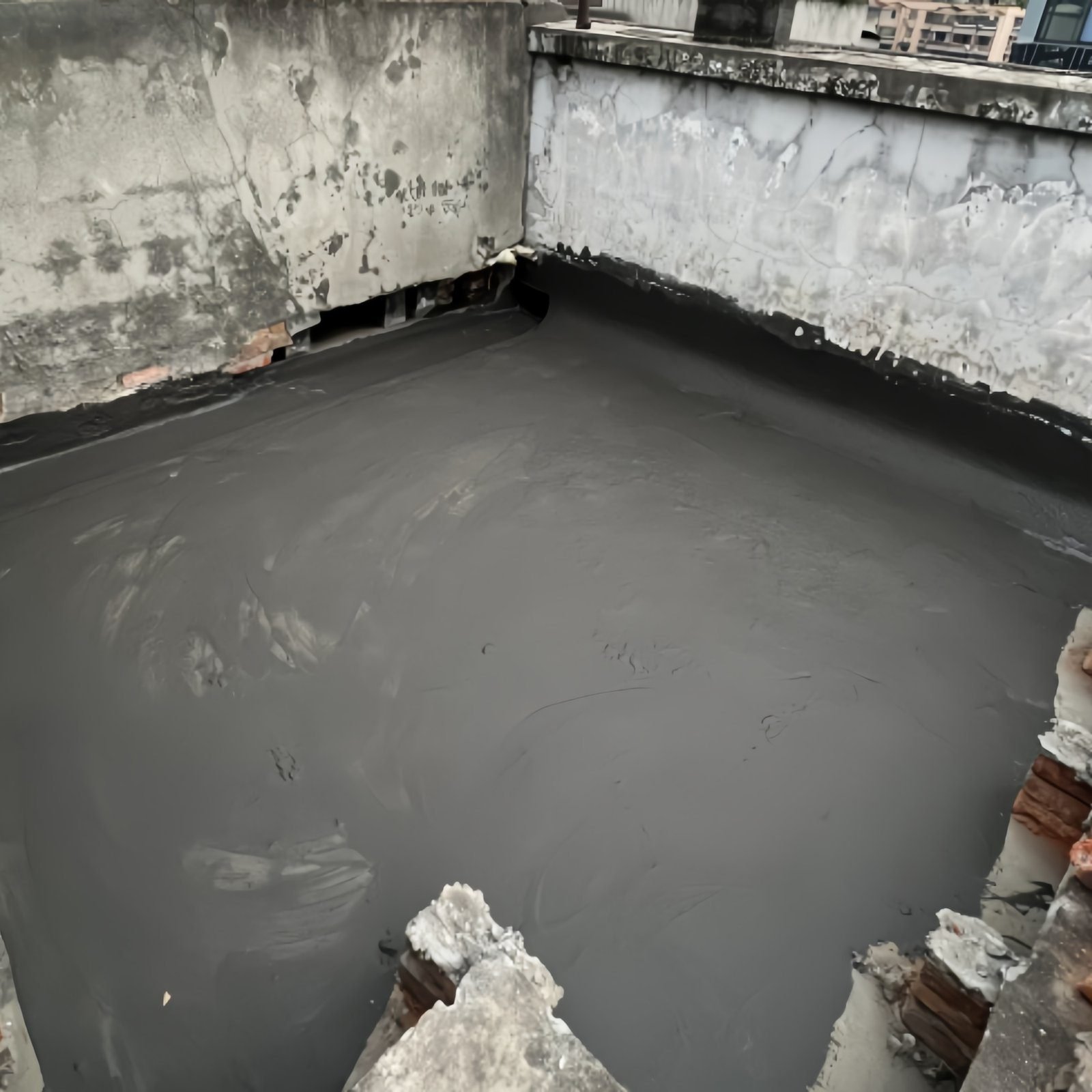
When it comes to waterproofing roofs, balconies, basements, or any surface prone to leaks, finding a coating that adapts to shapes, seals gaps seamlessly, and stands up to harsh weather can be a game-changer. Enter Liquid Waterproof Membrane—a versatile, easy-to-apply coating that transforms into a seamless, flexible barrier, keeping water out and your spaces protected for years. Unlike traditional sheet membranes that can crack or peel at seams, this liquid-applied solution conforms to every contour, fills tiny crevices, and delivers consistent waterproofing across residential, commercial, and industrial projects. Whether you’re a DIY homeowner fixing a leaky basement or a professional contractor waterproofing a commercial roof, Liquid Waterproof Membrane is redefining how we protect surfaces from water damage. In this blog, we’ll explore what makes this product unique, its key benefits, ideal applications, pro tips for use, and the essential keywords that highlight its value.
What Is a Liquid Waterproof Membrane, Exactly?
Let’s start with the basics: A Liquid Waterproof Membrane is a viscous, paint-like coating designed to be applied directly to surfaces (concrete, metal, wood, tile, and more), where it cures (dries) to form a seamless, elastic waterproof layer. Made from high-performance polymers—such as polyurethane, acrylic, or bituminous resins—these membranes are engineered to create an impermeable barrier that blocks water penetration, even in hard-to-reach areas. Unlike sheet-based waterproofing (which relies on overlapping layers and adhesives), liquid membranes eliminate seams—the most common weak point for leaks—by forming a single, continuous film over the entire surface.
The flexibility of Liquid Waterproof Membrane is one of its greatest strengths. Once cured, it remains elastic, able to expand and contract with temperature changes, structural movement, or surface shifts—preventing cracks that would otherwise let water seep through. This adaptability makes it ideal for surfaces that aren’t perfectly flat or have complex shapes, such as roof edges, pipe penetrations, or uneven basement floors. Whether applied thick or thin (depending on the project’s needs), it delivers consistent protection without gaps or weak spots.
Key distinction: Not all liquid waterproof products are the same—Liquid Waterproof Membrane is formulated for long-term durability, unlike temporary sealants or paints. It’s designed to withstand UV rays, extreme temperatures, foot traffic (in some formulations), and chemical exposure, making it a permanent solution for waterproofing needs. Keywords: Liquid Waterproof Membrane, liquid applied waterproofing, seamless waterproof membrane, flexible waterproof coating, polymer waterproof membrane.
Key Benefits of Liquid Waterproof Membrane (Why It Outperforms Traditional Options)
What makes Liquid Waterproof Membrane the top choice for contractors and homeowners alike? Let’s break down its most impactful advantages, each tailored to solve common waterproofing challenges:
1. Seamless Application = Zero Leak Points
The biggest advantage of Liquid Waterproof Membrane is its seamless finish. Traditional sheet membranes require overlapping layers, which can peel, separate, or develop gaps over time—creating easy access for water. Liquid membranes, by contrast, are applied as a single coat (or multiple thin coats) that dries into one continuous film. This eliminates seams entirely, drastically reducing the risk of leaks. Even around pipes, vents, corners, or irregular shapes, the liquid flows smoothly to fill every crevice, ensuring complete coverage. For areas prone to heavy rain, standing water, or moisture buildup (like roofs or basements), this seamless protection is invaluable. Keywords: seamless waterproofing, leak-free membrane, no-seam waterproof coating.
2. Exceptional Flexibility & Crack Resistance
Surfaces expand and contract with temperature changes, and structures may shift slightly over time—traditional waterproofing often cracks under this stress, leading to leaks. Liquid Waterproof Membrane is engineered to remain elastic even after curing, able to stretch and flex without breaking. This flexibility allows it to adapt to structural movement, thermal expansion, or minor surface cracks, maintaining its waterproof barrier for years. Whether applied to a roof that sees freezing winters and hot summers or a basement floor prone to slight shifting, it stays intact and effective. Keywords: flexible waterproof membrane, crack-resistant waterproofing, elastic liquid membrane.
3. Easy to Apply on Any Surface & Shape
Liquid Waterproof Membrane is incredibly versatile in terms of application. It can be brushed, rolled, or sprayed onto almost any surface—concrete, metal, wood, tile, asphalt, and even existing waterproofing layers. This makes it ideal for projects with complex geometries: roof valleys, balcony edges, pipe penetrations, or decorative concrete features. Unlike sheet membranes, which require precise cutting and fitting (and often waste material), liquid membranes conform to the surface’s natural shape, reducing installation time and material waste. Even beginners can achieve professional results, as the liquid flows smoothly and levels out to create an even finish. Keywords: easy-to-apply waterproof membrane, versatile waterproof coating, sprayable liquid waterproofing.
4. Durable & Weather-Resistant for Long-Term Protection
A quality Liquid Waterproof Membrane is built to last. Formulated with high-grade polymers, it resists UV degradation, extreme temperatures (from freezing cold to scorching heat), and harsh weather conditions (rain, snow, hail, and wind). Many formulations are also resistant to foot traffic, chemicals (such as pool chemicals or industrial cleaners), and mold/mildew growth—making them suitable for both indoor and outdoor use. Unlike temporary sealants that need frequent reapplication, liquid waterproof membranes provide long-term protection, often lasting 10–20 years (depending on the formulation and application thickness). This durability translates to fewer repairs, lower maintenance costs, and peace of mind. Keywords: durable waterproof membrane, weather-resistant liquid coating, UV-stable waterproofing, long-lasting waterproof membrane.
5. Cost-Effective & Time-Saving Installation
While Liquid Waterproof Membrane may have a similar upfront cost to traditional sheet membranes, it saves money in the long run. Its easy application reduces labor time—no need for cutting, fitting, or gluing sheets—and its seamless finish minimizes the risk of costly leaks and repairs. Additionally, it can be applied directly to existing surfaces (without extensive prep work, in some cases), eliminating the need to remove old waterproofing or materials. For large projects, sprayable liquid membranes speed up installation even further, allowing contractors to cover more area in less time. For homeowners, the DIY-friendly application means no need to hire expensive professionals for small projects (like fixing a leaky patio or basement wall). Keywords: cost-effective waterproofing, time-saving waterproof membrane, DIY liquid waterproofing.
6. Compatible with Multiple Substrates & Topcoats
Liquid Waterproof Membrane works seamlessly with a wide range of substrates, making it a versatile solution for any project. It adheres strongly to concrete, metal, wood, asphalt, tile, and even synthetic materials—no need for separate primers (in most cases). Additionally, it can be topped with other coatings (like paint, tile, or decorative finishes) if desired, allowing you to maintain the aesthetic of your space while still getting reliable waterproofing. This compatibility makes it ideal for projects where both function and appearance matter, such as balconies, terraces, or interior wet areas. Keywords: multi-substrate waterproof membrane, compatible waterproof coating, topcoat-friendly liquid membrane.
Ideal Applications for Liquid Waterproof Membrane
Liquid Waterproof Membrane is versatile enough to handle almost any waterproofing project, from small residential fixes to large commercial installations. Here are its most common and effective uses:
- Residential Projects: Roofs (flat or sloped), balconies, terraces, basements, foundations, shower stalls, bathrooms, kitchens, and window sills. It’s also perfect for waterproofing around pools, hot tubs, or garden ponds.
- Commercial Projects: Commercial roofs (especially flat roofs), parking decks, plazas, warehouses, restaurant kitchens, and retail spaces. It’s often used to waterproof concrete slabs and structural elements in office buildings.
- Industrial Projects: Factory floors, chemical storage areas, wastewater treatment facilities, and industrial tanks. Industrial-grade Liquid Waterproof Membrane is formulated to resist harsh chemicals and heavy use.
- Specialty Projects: Historical buildings (where preserving the original structure is key), decorative concrete, and outdoor living spaces (like covered patios or outdoor kitchens).
Keywords: Liquid Waterproof Membrane applications, residential waterproofing, commercial waterproof membrane, industrial liquid waterproofing, basement waterproofing membrane.
Pro Tips for Applying Liquid Waterproof Membrane (For Perfect, Long-Lasting Results)
To maximize the effectiveness of Liquid Waterproof Membrane and ensure a leak-free finish, follow these pro application tips. Always refer to the manufacturer’s instructions for your specific product, as formulations may vary:
- Prep the Surface Thoroughly: The surface must be clean, dry, and free of dust, dirt, oil, grease, loose debris, or old paint. Use a wire brush or sandpaper to remove loose material, then clean with a degreaser if needed. For porous surfaces (like concrete), allow it to dry completely—moisture trapped under the membrane can cause bubbling or peeling. Fill any large cracks or gaps with a patching compound before applying the liquid membrane.
- Apply a Primer (If Required): While many Liquid Waterproof Membrane products are self-priming, some may require a primer for better adhesion to smooth or non-porous surfaces (like metal or tile). Check the manufacturer’s instructions—applying a primer can significantly improve the membrane’s bond and durability.
- Apply Thin, Even Coats: Avoid applying thick coats, which can take longer to cure and may develop cracks or bubbles. Instead, apply 2–3 thin, even coats, allowing each coat to dry to the touch (usually 4–6 hours) before applying the next. This ensures a smooth, consistent finish and maximum waterproofing performance.
- Pay Extra Attention to Detail Areas: Focus on high-risk areas like corners, edges, pipe penetrations, vents, and seams. Apply an extra coat or a "strip" of membrane around these areas to reinforce protection—these are the spots where leaks are most likely to occur if not properly sealed.
- Work in Ideal Weather Conditions: Apply the membrane in temperatures between 50°F and 90°F (10°C and 32°C), with low humidity. Avoid applying in direct sunlight (which can cause rapid drying and cracking) or on rainy, windy days (which can blow dust onto the wet surface or wash away the liquid).
- Allow for Full Cure Time: While the membrane may be touch-dry in a few hours, it needs 24–48 hours to fully cure (depending on the product and weather). Avoid walking on the surface, exposing it to water, or applying topcoats during this time. Full curing ensures the membrane reaches its maximum flexibility and waterproofing strength.
Final Thoughts: Why Liquid Waterproof Membrane Is the Future of Waterproofing
When it comes to reliable, long-lasting waterproofing, Liquid Waterproof Membrane outperforms traditional options in every key area: it’s seamless (no leak points), flexible (resists cracks), easy to apply (works on any shape), and durable (stands up to harsh conditions). Whether you’re tackling a small DIY project or a large commercial installation, it delivers consistent, leak-free protection that saves time, money, and frustration.
Gone are the days of struggling with ill-fitting sheet membranes or temporary sealants that need constant reapplication. Liquid Waterproof Membrane offers a permanent, low-maintenance solution that adapts to your project’s needs, protects your space from water damage, and gives you peace of mind for years to come. For any waterproofing project—big or small—choose the flexibility and reliability of Liquid Waterproof Membrane.
Keywords: Liquid Waterproof Membrane, seamless waterproof coating, flexible waterproof membrane, durable liquid waterproofing, leak-free waterproof solution.