Blog
Phenolic Anti-Rust Coating: Industrial-Grade Protection for Metal Surfaces

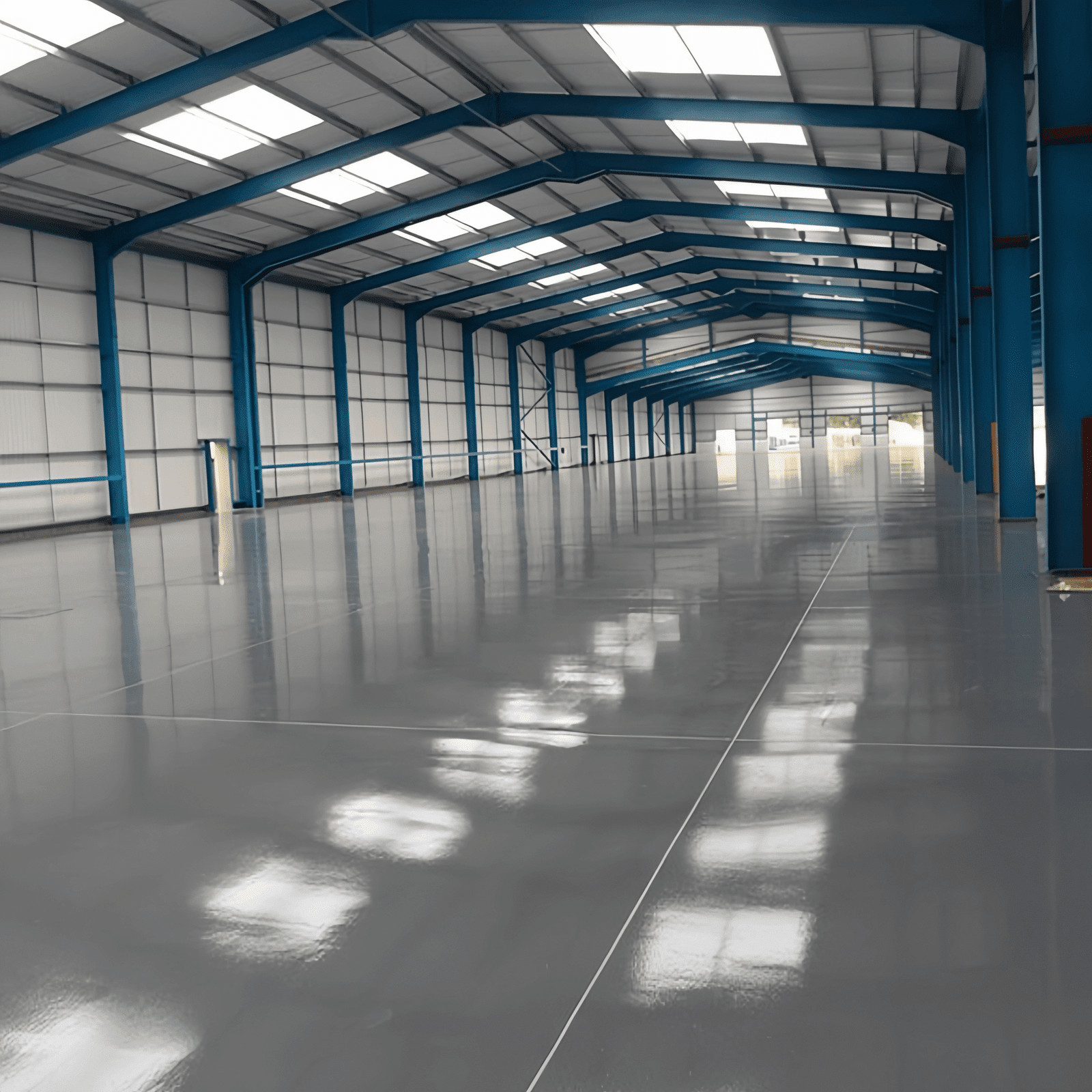
Metal surfaces are inherently vulnerable to rust and corrosion—a natural process triggered by exposure to moisture, oxygen, chemicals, and harsh environmental conditions. For industries, infrastructure, and even residential metal fixtures, rust not only compromises aesthetics but also weakens structural integrity, leading to costly repairs and safety hazards. Among the most reliable solutions for long-term rust prevention is phenolic anti-rust coating, a high-performance synthetic coating renowned for its exceptional chemical resistance, heat tolerance, and durable barrier properties. In this blog, we’ll delve into everything you need to know about phenolic anti-rust coating, from its composition and key benefits to ideal applications, selection criteria, and proper application techniques.
What Is Phenolic Anti-Rust Coating?
Phenolic anti-rust coating is a type of industrial coating formulated with phenolic resins as the primary binding agent, combined with anti-rust pigments (such as zinc phosphate, iron oxide, or chromate), solvents, and additives. Phenolic resins—derived from the reaction of phenol with formaldehyde—impart unique properties to the coating, including high heat resistance, chemical inertness, and strong adhesion to metal substrates. Unlike conventional anti-rust paints, phenolic coatings form a hard, cross-linked film that creates an impenetrable barrier against moisture, oxygen, and corrosive substances.
These coatings are available in two main formulations: solvent-based and water-based. Solvent-based phenolic anti-rust coatings offer superior durability and chemical resistance, making them ideal for heavy-industrial applications. Water-based variants, on the other hand, are low-VOC (volatile organic compounds), eco-friendly, and suitable for indoor or semi-exposed surfaces where environmental compliance is a priority. Both formulations adhere strongly to ferrous and non-ferrous metals, providing long-lasting rust protection even in demanding conditions.
Key Benefits of Phenolic Anti-Rust Coating
Phenolic anti-rust coating stands out from other anti-corrosion solutions due to its unique combination of performance attributes. Here are its most notable benefits:
1. Exceptional Rust & Corrosion Resistance
The cross-linked phenolic resin matrix forms a dense, impermeable barrier that blocks moisture, oxygen, and corrosive ions from reaching the metal surface. This prevents the formation of rust (iron oxide) and other corrosive byproducts, even in high-humidity, coastal, or industrial environments. Anti-rust pigments further enhance protection by passivating the metal surface, slowing down oxidation at the molecular level.
2. High Heat Tolerance
Unlike many anti-rust coatings that degrade at elevated temperatures, phenolic formulations can withstand extreme heat (up to 300°F/150°C for standard variants, and higher for specialized heat-resistant grades). This makes them ideal for metal components exposed to heat, such as exhaust systems, boilers, industrial ovens, and engine parts.
3. Superior Chemical Resistance
Phenolic anti-rust coatings are highly resistant to a wide range of chemicals, including acids, alkalis, solvents, oils, and industrial cleaners. This resistance ensures the coating remains intact even when exposed to harsh substances in manufacturing facilities, refineries, chemical plants, and marine environments.
4. Strong Adhesion & Durability
Phenolic resins bond tightly to metal surfaces, forming a hard, scratch-resistant film that resists chipping, peeling, and abrasion. When properly applied, the coating maintains its integrity for 5-10 years or more, reducing the need for frequent touch-ups and extending the lifespan of metal components.
5. Versatility Across Metal Types
This coating works effectively on both ferrous (steel, iron) and non-ferrous (aluminum, copper, brass) metals. It can be applied to new metal surfaces, as well as existing surfaces with minimal rust (after proper preparation), making it a flexible solution for maintenance and new construction projects.
6. Weather & UV Stability
Exterior-grade phenolic anti-rust coatings are formulated with UV inhibitors, ensuring they resist fading, chalking, and degradation from sunlight. This makes them suitable for outdoor metal structures like bridges, railings, storage tanks, and marine vessels.
Ideal Applications for Phenolic Anti-Rust Coating
Thanks to its robust performance, phenolic anti-rust coating is widely used across residential, commercial, and industrial sectors. Here are its most common applications:
Industrial Applications
- Manufacturing Equipment: Metal machinery, tooling, conveyors, and production lines exposed to chemicals, heat, and wear.
- Oil & Gas Industry: Pipelines, storage tanks, refinery components, and offshore structures resistant to saltwater, hydrocarbons, and corrosive chemicals.
- Power Generation: Boiler components, turbine parts, exhaust systems, and electrical enclosures exposed to heat and moisture.
- Chemical Plants: Metal tanks, reactors, and piping that handle acids, alkalis, and solvents.
Commercial & Infrastructure Applications
- Bridges & Highways: Steel girders, railings, and guardrails to protect against weather, deicing salts, and moisture.
- Marine Structures: Ship hulls, decks, anchors, and port equipment resistant to saltwater corrosion and harsh marine environments.
- Commercial Buildings: Metal roofing, cladding, and structural steel to prevent rust and extend building lifespan.
- Transportation: Truck frames, trailer bodies, railway components, and aircraft parts exposed to weather and wear.
Residential Applications
- Outdoor Metal Fixtures: Railings, fences, gates, and garden furniture to protect against rain, humidity, and UV rays.
- Automotive Components: Exhaust systems, engine parts, and undercarriages (specialized automotive-grade formulations) for rust prevention.
- Home Appliances: Metal parts of ovens, grills, and water heaters that withstand heat and moisture.
- Garage & Workshop Tools: Power tools, toolboxes, and metal storage units to resist rust and wear.
How to Choose the Right Phenolic Anti-Rust Coating
Selecting the right phenolic anti-rust coating depends on the application environment, metal type, and performance requirements. Here’s a guide to help you decide:
1. Solvent-Based vs. Water-Based
- Solvent-Based: Recommended for heavy-industrial, high-heat, or chemical-exposed applications. Offers superior durability and chemical resistance but has higher VOC levels. Ideal for outdoor or well-ventilated areas.
- Water-Based: Best for indoor applications, residential projects, or areas with strict environmental regulations. Low-VOC, easy to clean up, and suitable for surfaces not exposed to extreme heat or chemicals.
2. Heat Resistance Requirements
Choose a coating rated for the maximum temperature the metal surface will encounter: Standard phenolic coatings: Up to 300°F/150°C (ideal for general industrial use).High-heat phenolic coatings: Up to 500°F/260°C (for exhaust systems, boilers, and ovens).
3. Indoor vs. Exterior Use
Exterior: Opt for UV-stable, weather-resistant formulations to withstand sunlight, rain, and temperature fluctuations.Indoor: Water-based or standard solvent-based coatings suffice, with a focus on chemical resistance (for industrial interiors) or low odor (for residential spaces).
4. Metal Type
Most phenolic coatings work on ferrous metals, but non-ferrous metals (aluminum, copper) may require a specialized primer or coating formulated for compatibility. Ensure the product is labeled for use on your specific metal type.
5. Chemical Exposure
For surfaces exposed to harsh chemicals (acids, solvents), select a high-chemical-resistance phenolic coating. Consult the manufacturer’s data sheet to confirm compatibility with the specific substances in your environment.
Application Tips for Optimal Rust Protection
Proper application is critical to maximizing the performance of phenolic anti-rust coating. Follow these steps for best results:
- Surface Preparation: Clean the metal surface thoroughly to remove rust, dirt, oil, grease, and old coatings. Use a wire brush, sandblaster, or chemical rust remover for rusted areas. For optimal adhesion, abrade the surface (sandblasting or grinding) to create a rough texture. Ensure the surface is completely dry—moisture can cause adhesion issues and premature rusting. For non-ferrous metals, apply a compatible primer to enhance bonding.
- Stir or Mix the Coating: For solvent-based coatings, stir thoroughly to ensure uniform distribution of anti-rust pigments. Avoid over-stirring to prevent air bubbles. Water-based coatings may require gentle mixing to re-suspend pigments.
- Apply in Thin, Even Coats: Use a brush, roller, or sprayer to apply thin, uniform coats. Avoid over-application, as thick coats can crack or sag during drying. For maximum protection, apply 2-3 coats, with the second coat applied perpendicular to the first. Follow the manufacturer’s recommended dry time between coats (typically 4-6 hours for solvent-based, 6-8 hours for water-based).
- Ensure Proper Ventilation: Solvent-based phenolic coatings emit VOCs, so apply in well-ventilated areas or use respiratory protection. Water-based coatings require ventilation to speed drying and reduce odor.
- Allow Full Curing: Let the final coat cure fully before exposing the surface to moisture, heat, or chemicals. Full curing can take 24-72 hours, depending on temperature and humidity. Avoid handling or placing objects on the surface during curing.
- Post-Application Maintenance: Inspect the coating annually for chips, scratches, or rust spots. Touch up damaged areas promptly with the same phenolic coating to maintain protection.