Few colors embody light, warmth, and optimism quite like yellow. Renowned for its vibrancy and emotional resonance, yellow paint possesses the ability to rejuvenate a room instantly, whether applied as a subtle accent or a striking focal point.
In this guide, we delve into the essence of yellow through the lenses of color theory, symbolism, history, and practical design applications, providing clear guidance for homeowners, designers, and anyone selecting the ideal shade of yellow for their upcoming project.
1. Comprehending Yellow Through Color Theory
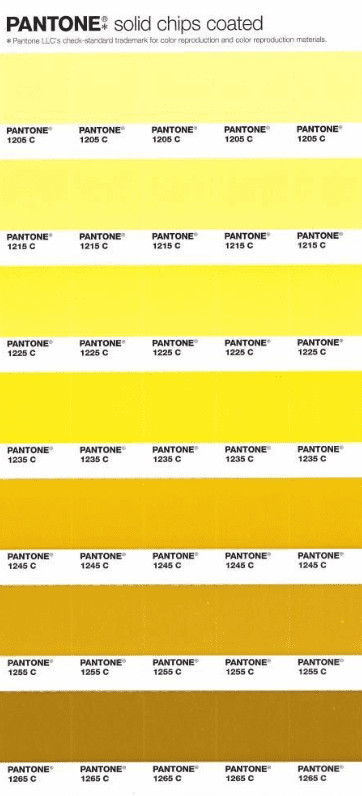
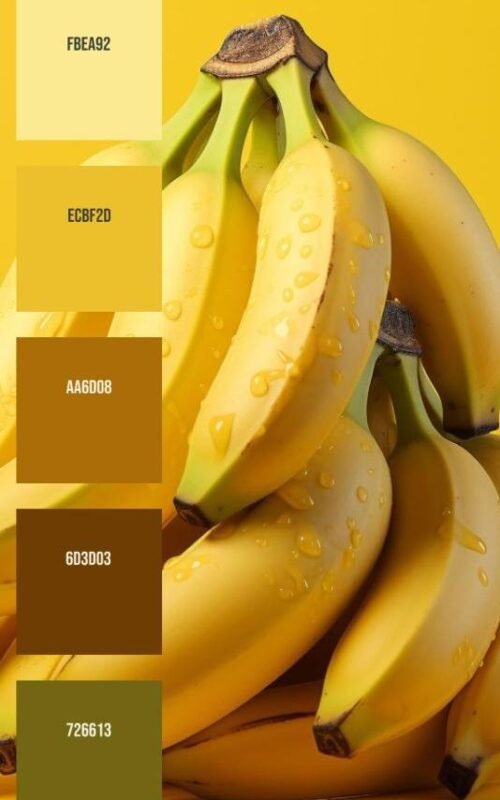
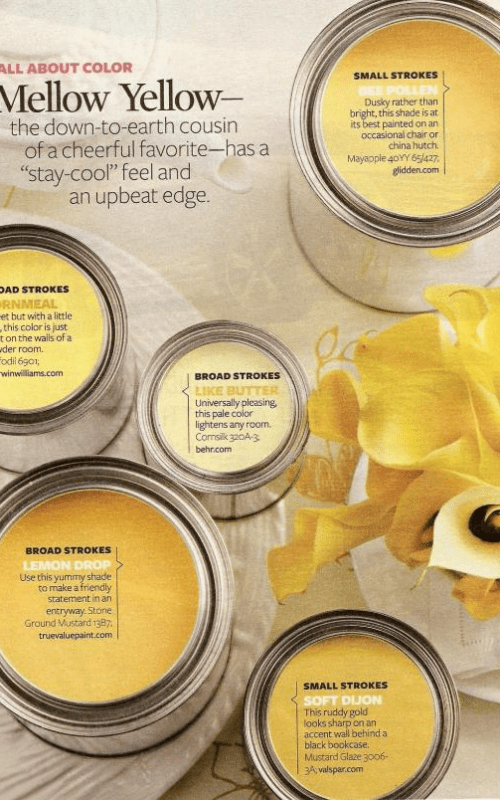
Yellow occupies the warmest position on the color wheel. It inherently reflects more light than most hues, endowing it with an uplifting and radiant quality. In the realm of paint, yellow can be divided into tints, mid-tones, and shades, each exhibiting a unique character.
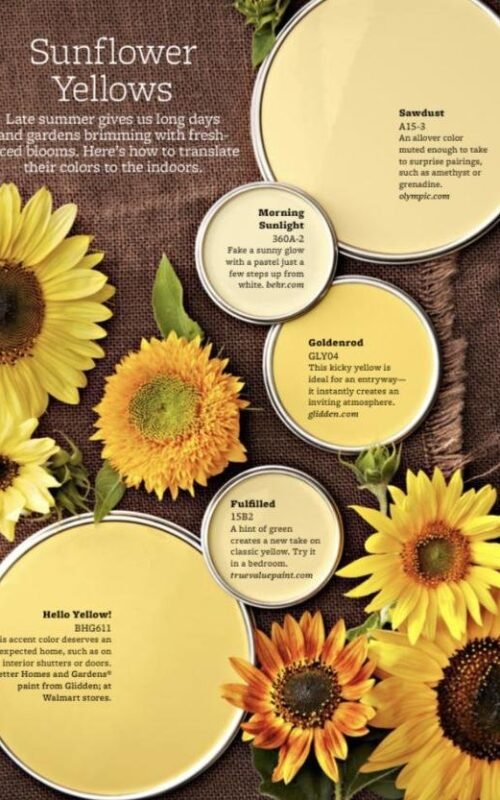
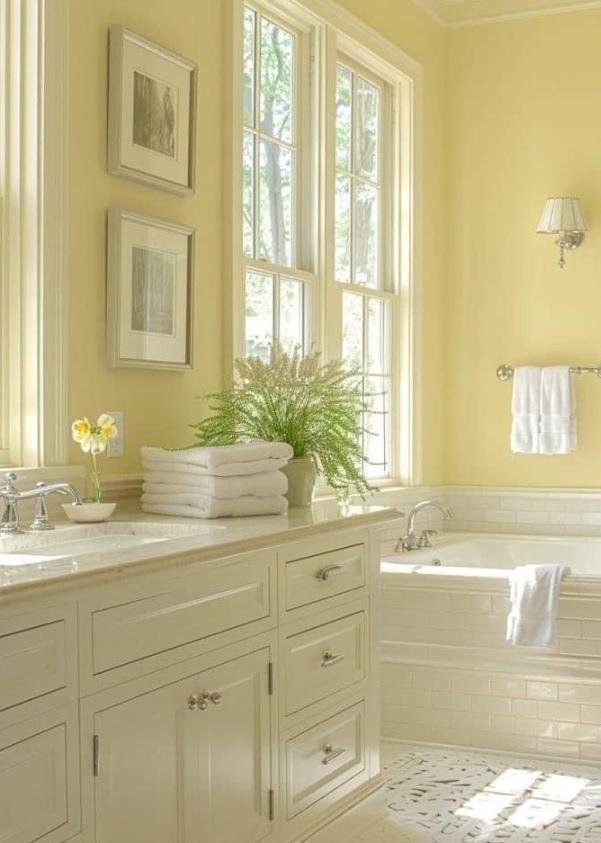
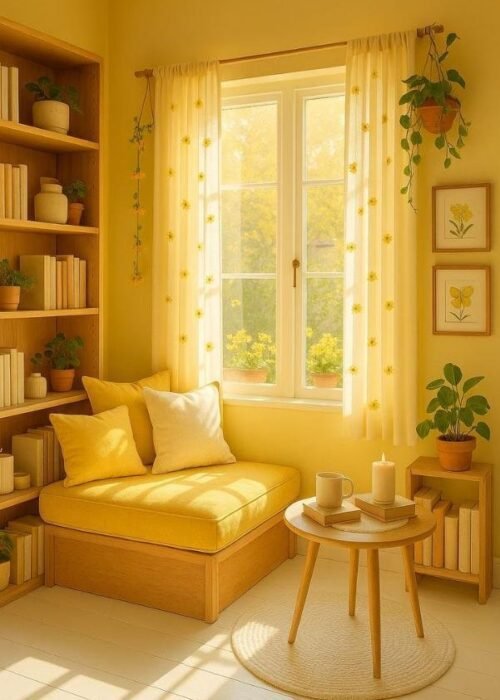
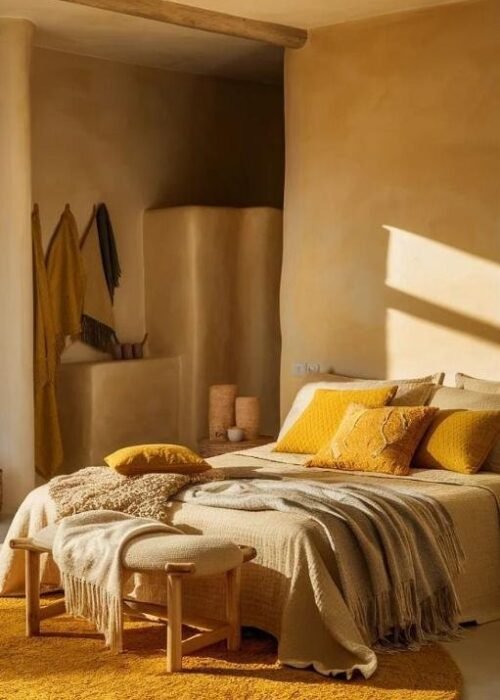
😀Tints: Soft & Airy These delicate yellows infuse softness, warmth, and a welcoming brightness into any environment. They are particularly suited for living rooms, bedrooms, and intimate corners.
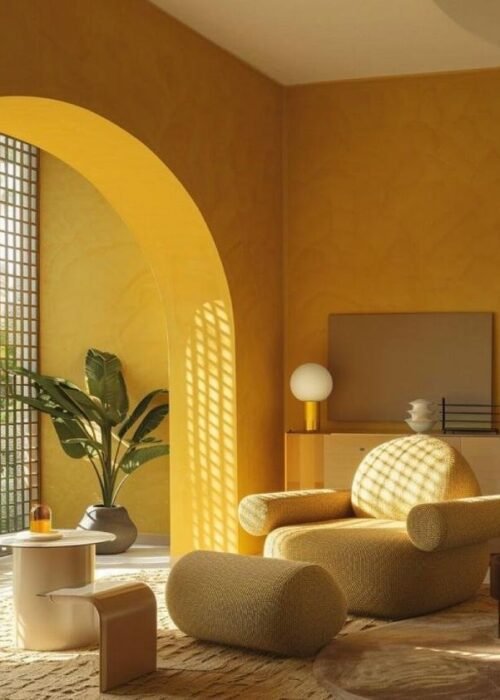
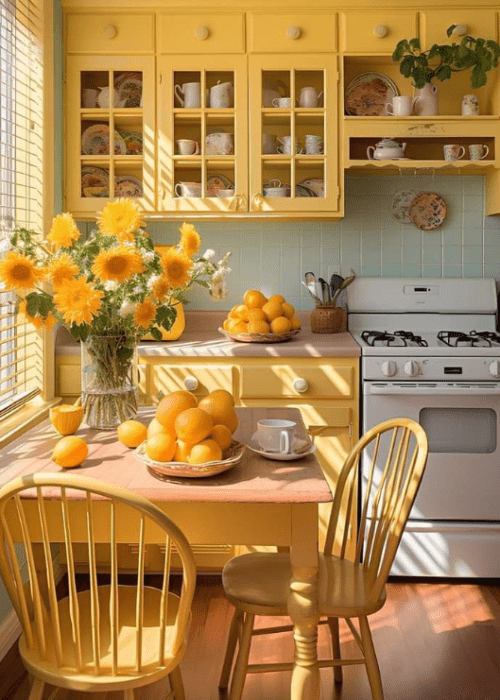
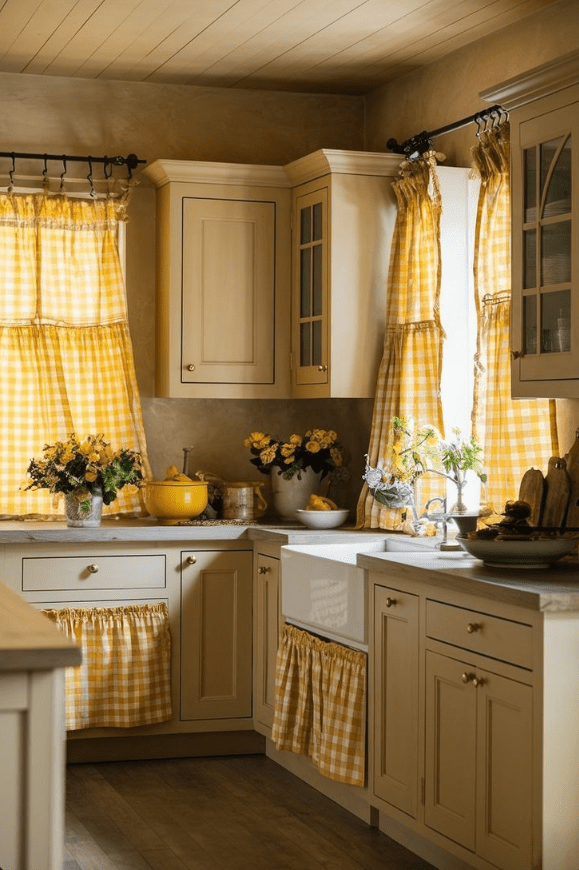
😀Mid-tones: Bright & Joyful These traditional yellows exude cheerfulness and vitality. They are perfect for kitchens, dining areas, and bustling spaces that thrive on vibrant color.
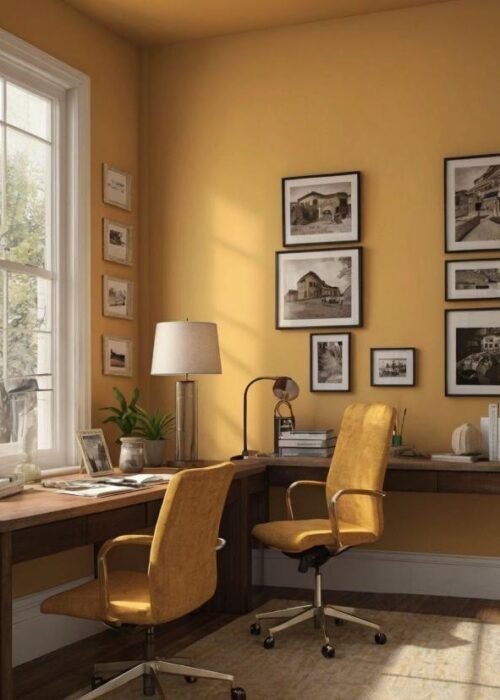
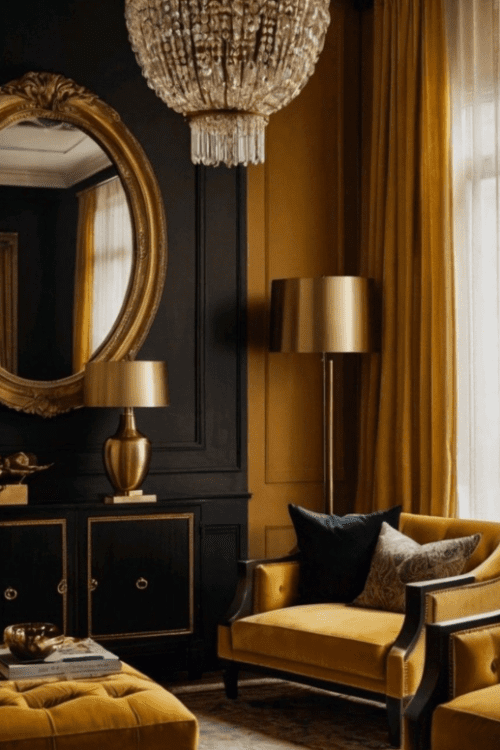
😀Shades: Rich & Grounded Deep yellows convey sophistication, depth, and a vintage charm. Designers frequently employ them on accent walls, cabinetry, and key features to create visual intrigue.
2. The Symbolism & Psychology of Yellow
Historically, yellow has represented: Joy & optimism, Energy & motivation, Warmth & creativity, Youthfulness
Its high visibility renders it an emotional hue, capable of uplifting, energizing, and stimulating. Yellow also possesses a dual nature; intense, saturated yellows can be overpowering in expansive areas. However, when harmonized with neutral tones, yellow emerges as one of the most adaptable colors in design.
3. A Concise Overview of Yellow Pigments
Yellow stands as one of the earliest pigments utilized by humanity:
● Prehistoric Art: Cave paintings indicate the initial application of natural yellow ochre.
● Indian Yellow: A vibrant, transparent yellow that was extensively used from the 16th to the 19th centuries — valued for its brilliance.
● Impressionist Era: Van Gogh and his peers adopted yellow to convey emotion, sunlight, and dynamism.
● Modern Design: Its unparalleled visibility renders yellow a preferred choice in signage, branding, and safety measures.
This extensive history imbues significance and inspiration when yellow is incorporated into contemporary interior environments.
4. Design Uses: The Transformative Power of Yellow in Interiors
5. Selecting the Appropriate Yellow Paint for Every Room
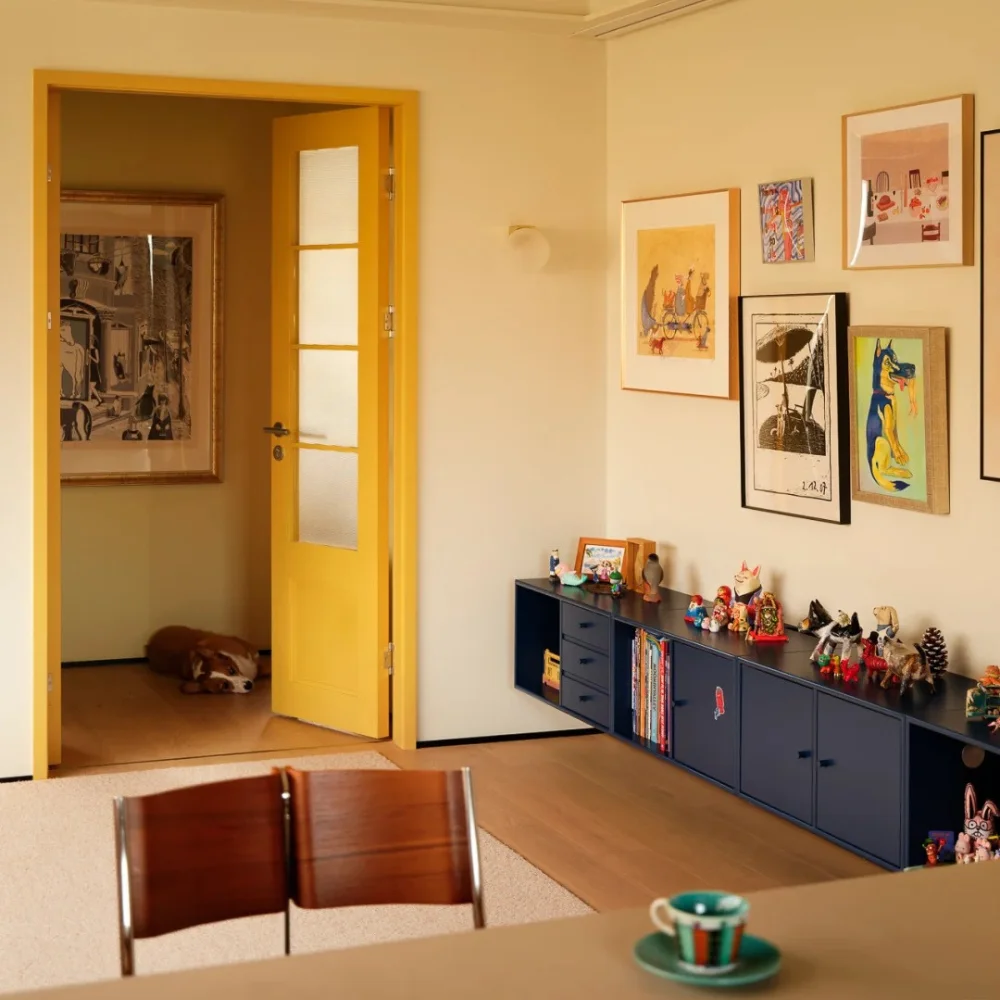
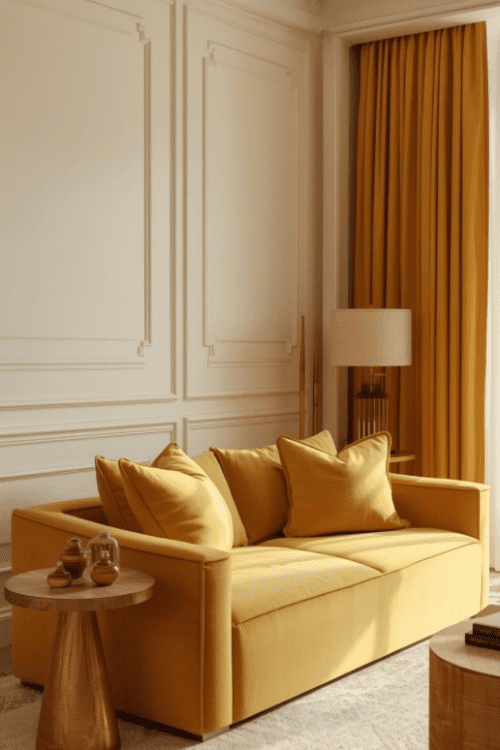
● Living Room: Warm mid-tone yellows foster a welcoming ambiance and complement beige, taupe, and light wood finishes beautifully.
● Bedroom: Gentle, low-saturation shades provide comfort without causing overstimulation.
● Kitchen & Dining: Vibrant yellows promote positivity and stimulate appetite — ideal for communal areas.
● Office: Lively yellows encourage creativity and enhance focus.
● Feature wall: Use dark colors to create a visual focal point.
6. Guidelines for Effectively Utilizing Yellow Paint
Observe how natural light varies in your space, yellow can change significantly with different lighting conditions.
Refrain from oversaturating extensive areas with vivid yellow.
Combine yellow with neutral tones for a harmonious effect.
In contemporary settings, pair yellow with black, grey, or metallic elements.
Test paint samples on various walls to assess the impact of lighting.
Yellow transcends being merely a color — it embodies optimism, vitality, and warmth. Whether you prefer airy pastels, vibrant mid-tones, or deep mustard hues, yellow paint enlivens every space it graces.
With the appropriate shade and careful design considerations, yellow emerges as a classic and uplifting option for modern interiors.
Are you in search of the ideal yellow paint for your home or project? We provide expert color matching, tailored formulations, and premium coatings designed to enhance any environment.
1.Contact us today for complimentary samples, technical assistance, or personalized color recommendations.
2.Prepared to place an order? Contact us for wholesale pricing and OEM services.
FAQ Section
FAQ 1: What shade of yellow paint is most suitable for living rooms?
Soft, warm mid-tone yellows are perfect for living rooms. They offer comfort and brightness without overwhelming the area.
FAQ 2: Does yellow create the illusion of a larger room?
Indeed. Light yellow shades reflect more natural light, making smaller rooms appear larger and more spacious.
FAQ 3: Which colors complement yellow walls best?
White, grey, beige, natural wood, navy, and black harmonize beautifully with yellow, depending on your design preferences.
FAQ 4: Is yellow a suitable color for bedrooms?
Yes, provided you select low-saturation pastel yellows. They encourage relaxation while retaining warmth.
FAQ 5: What is the most favored yellow paint color?
Creamy pastels and soft buttery yellows are consistently among the most popular choices for interior spaces.
FAQ 6: Can yellow paint appear different under varying lighting conditions?
Yellow is very sensitive to lighting. Morning light softens yellow, while afternoon light enhances it. Always test swatches beforehand.