Blog
Understanding Epoxy Color Sand Systems: A Comprehensive Technical Analysis

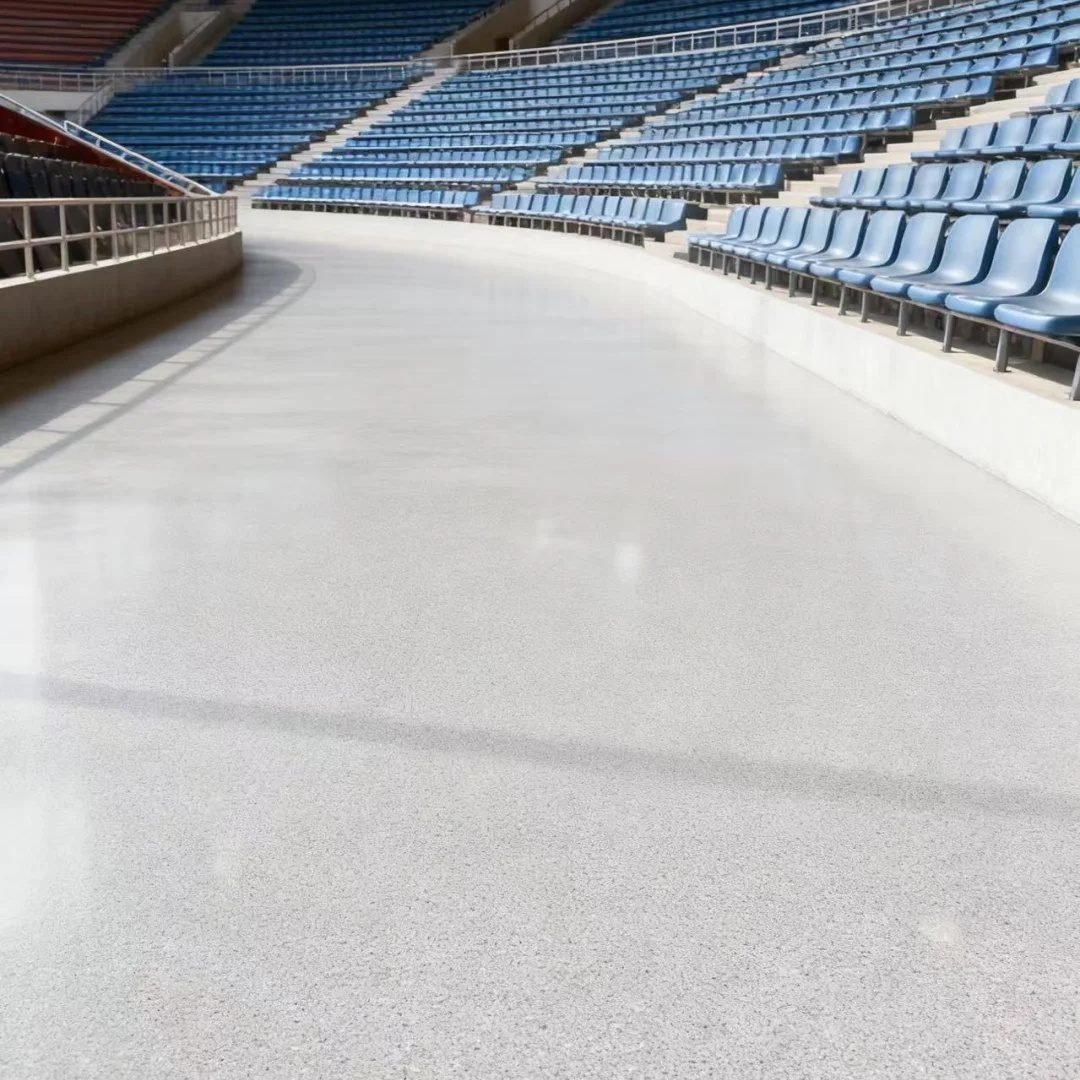
In the spectrum of high-performance architectural coatings, Epoxy Color Sand represents a sophisticated fusion of epoxy resin chemistry and natural mineral aesthetics. Unlike standard liquid coatings, this system utilizes a high concentration of natural colored sand particles suspended in a specialized resin matrix. The result is an Industrial Flooring Solution that provides not only a three-dimensional visual texture but also mechanical properties that exceed traditional self-leveling epoxies.
As global building standards shift toward long-term durability and environmental compliance, understanding the nuances of Epoxy Color Sand, from its chemical variations to the precision of its installation, is essential for architects, facility managers, and professional contractors.
The Chemical Composition: Oil-based vs. Water-based Epoxy
A critical decision in the specification of Epoxy Color Sand is the choice of the resin vehicle. The industry primarily categorizes these systems into oil-based (solvent-borne) and water-based formulations.
Oil-based Epoxy (Solvent-borne Systems)
Historically, the industry standard for extreme environments, Oil-based Epoxy systems are known for their exceptional surface hardness and dense molecular structure.
- Performance Profile: They offer superior chemical corrosion resistance and a high-gloss finish. The bonding strength to concrete is typically very high.
- Drawbacks: These systems often carry a higher VOC (Volatile Organic Compound) profile and can emit strong odors during the curing process.
Water-based Epoxy (Eco-friendly Systems)
The modern evolution of the industry is the Water-based Epoxy system. This technology utilizes water as the carrier instead of hazardous solvents.
- Eco-friendly & Safety: It conforms to the strictest environmental standards with low VOC emissions, making it "safe and harmless" for residential living spaces and hospitals.
- Breathability: One technical advantage of water-based systems is their relative permeability, allowing concrete substrates to "breathe" slightly, which reduces the risk of osmotic blistering in environments with moderate moisture.
- Aesthetic: These typically offer a more matte or satin finish compared to the high-reflection of oil-based variants.
Core Features of Epoxy Color Sand Flooring
The reason for the widespread adoption of Epoxy Color Sand across commercial and industrial sectors lies in its unique physical "DNA."
- Superior Wear Resistance & Heavy Load Bearing: The inclusion of natural sand aggregates creates a "composite" structure. This enables the floor to withstand frequent forklift movement and heavy equipment rolling without the risk of sanding or surface scratches.
- Anti-slip & Safety Engineering: The natural texture of the sand provides a built-in anti-slip effect. This remains effective even when the surface is wet or oily, a critical factor for industrial workshops and commercial kitchens.
- Fire Retardancy: Professional-grade Epoxy Color Sand is formulated with flame retardant properties. It hardly ignites under high temperatures and restricts the spread of flames while releasing minimal toxic gases.
- Chemical and Compression Strength: The cured coating forms a rock-hard surface that resists acids, alkalis, and the intense compression forces found in automobile manufacturing plants and pharmaceutical workshops.
Precision Construction Guideline: From Substrate to Sealant
The longevity of an Epoxy Color Sand floor is 20% material quality and 80% execution. A strict Construction Guideline must be followed to ensure a flawless finish.
Phase 1: Substrate Preparation
The concrete base must be meticulously treated. All dust, sand, and oil stains must be removed.
- Flatness Standard: The ground flatness error must be ≤ 2mm over a 2-meter straight edge. Any depressions must be filled with epoxy putty.
- Moisture Constraint: The moisture content of the ground must be ≤ 8% before application.
Phase 2: Material Mixing and Pot Life
Epoxy Color Sand usually comes in a two-component (Group A and Group B) format.
- Ratio Integrity: Contractors must strictly follow the weight ratio specified in the instructions.
- Mixing Time: Use a mechanical stirrer to stir the mixture for 3-5 minutes until the color is uniform.
- Time Sensitivity: The mixed paint must be used within 30 minutes. Beyond this "pot life," the chemical reaction will increase viscosity, making a flat application impossible.
Phase 3: Layered Application Technique
- Scumbling: Use a rubber scraper at a 45° angle to scrape the material longitudinally. This ensures the colored sand fills the tiny pores of the ground.
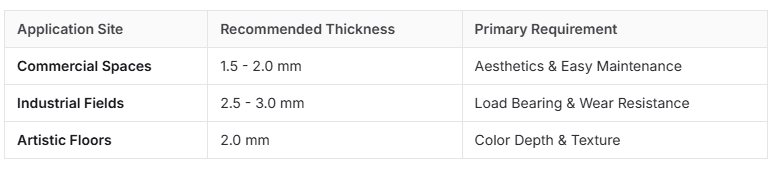
- Leveling: A second coat is applied at a 90° angle (horizontally), adjusting the thickness to the recommended 2-3mm for cement floors.
- Defoaming: This is a critical step. Immediately after scraping, a defoamer roller must be used to eliminate bubbles. This treatment should be repeated three times, once every 10 minutes, to ensure a pinhole-free surface.
Phase 4: Curing and Sealing
Once the main material is dry, a topcoat paint is applied for sealing treatment. The site must be sealed immediately to prevent contamination from dust or insects.
- Curing Timeline: The floor can typically be walked on after 24 hours (at 25°C), but it takes 5 to 7 days to reach its full chemical and mechanical solidification.
Technical Specifications and Dosage
For project planning, the theoretical coating rate for Epoxy Color Sand ranges between 1.5 - 2.5 kg/m². However, actual consumption varies based on the substrate's porosity and the desired thickness of the paint film.
Storage and Environmental Conditions
To maintain the shelf life of 24 months, Epoxy Color Sand components must be stored in a cool, dry, and well-ventilated area, ideally between 10°C and 25°C. Components A and B should be stored separately and kept away from strong acids or oxidizing agents.
FAQ
Q: Can Epoxy Color Sand be used in residential bathrooms?
A: Yes. Its anti-slip properties and Water-based Epoxy formulation make it an ideal flooring solution for residential bathrooms and kitchens, where water exposure is frequent.
Q: What is the main difference between self-leveling epoxy and color sand epoxy?
A: Self-leveling epoxy is a smooth, liquid-heavy system. Epoxy Color Sand is a high-build aggregate system that offers significantly higher wear resistance and a more natural, textured appearance.
Q: How do you clean an Epoxy Color Sand floor?
A: The system supports high-pressure water flushing and standard pH-neutral cleaners. Its dust-proof and seamless nature makes it one of the easiest Industrial Flooring Solutions to maintain.